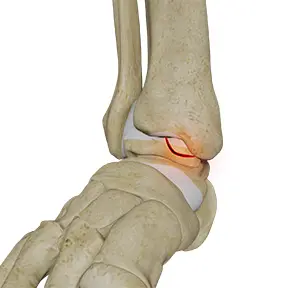





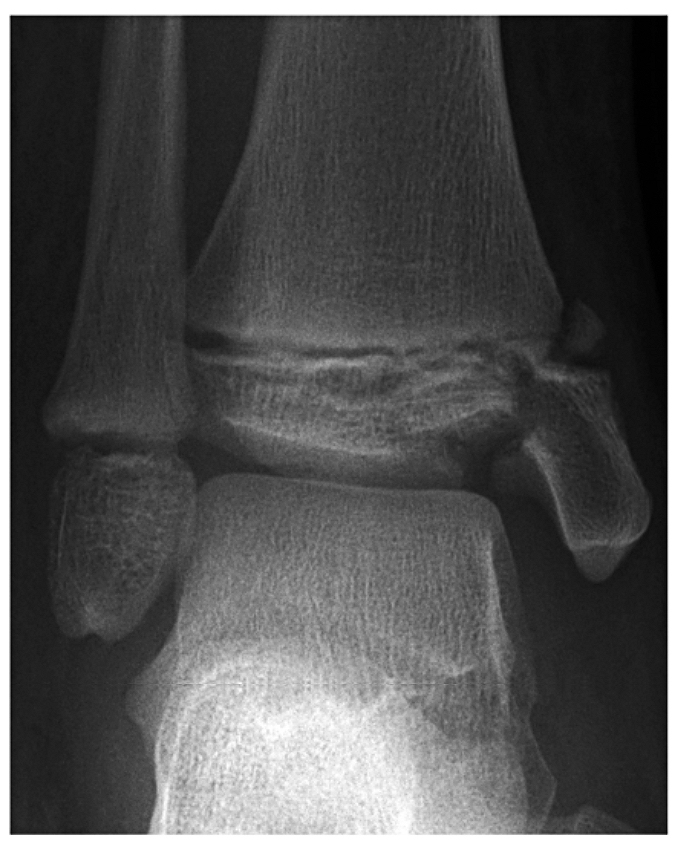
The fracture at the base of the fifth metatarsal — the long bone behind your little toe — is one of the most common injuries in the foot. The good news is that the great majority heal cleanly with simple management: a supportive shoe or boot, sensible weight-bearing, and time. Which raises a fair question: does every one of these patients really need to sit in a busy hospital fracture clinic?
The pressure on fracture clinics
Demand for trauma services keeps rising, and traditional face-to-face fracture clinics are expensive and time-consuming — for the hospital and for you. A virtual fracture clinic (VFC) flips the model: a specialist reviews your X-rays and notes remotely, then sends clear advice and a management plan, reserving in-person appointments for the cases that genuinely need them.
What we looked at
This study, which Professor Heidari co-authored, assessed whether managing fifth-metatarsal base fractures through a virtual fracture clinic was safe, cost-effective and acceptable to patients, rather than simply more convenient for the system.
What we found
For this injury, the virtual model held up on all three counts: outcomes were safe, costs were lower, and patients found it acceptable. In other words, a well-designed remote pathway can look after a straightforward fracture as well as a clinic visit — without the trip, the parking and the waiting room.
What this means for patients
If you are told your fracture will be “managed virtually,” it is not a brush-off — for the right injury it is an evidence-based pathway that saves you time while keeping you safe. The key is good triage: the same evidence that supports virtual care for simple breaks is exactly what flags the complex ones that do need to be seen in person.
Source: Zahan N, Patel A, Atkinson K, Jha S, Heidari N, Parker L, Vris A, Malagelada F, Jeyaseelan L. Outcomes and cost analysis of virtual fracture clinic management of 5th metatarsal base fractures. Foot & Ankle Orthopaedics. Read the full paper →