The Achilles is the strongest tendon in the body — and the one that breaks most often during sport. Problems range from chronic tendinopathy (a slow, painful overload) to acute rupture (a sudden snap, often during a push-off).
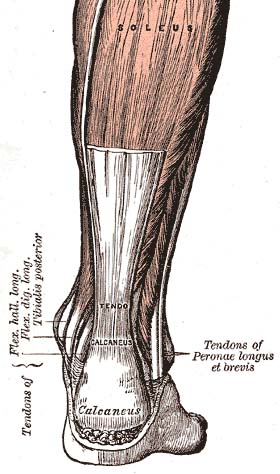
The Achilles tendon, located at the back of the ankle and linking the calf muscle to the heel bone, is the body’s largest tendon and facilitates activities like walking, running and jumping. Achilles tendon pain can be experienced for a number of reasons and in more serious cases, the Achilles tendon can rupture, which may require Achilles tendon surgery . Problems with other foot tendons can also occur.
Problems with the Achilles fall into a few groups. Tendinopathy is a wear-and-overload condition giving pain and stiffness either in the mid-portion of the tendon or where it inserts into the heel bone; it is common in runners and in active people in their forties and fifties. A rupture is a sudden complete tear, usually during a sharp push-off in sport, felt as a blow to the back of the ankle.
The great majority of Achilles problems are managed without surgery. Tendinopathy responds to a structured loading programme, footwear and activity changes, and time — often slow but reliable. Even a rupture can be treated in a functional bracing protocol in the right patient, with surgery reserved for selected cases.
The key is to identify which problem is present and to start the right programme early, because the Achilles rewards patience and consistency and punishes a rushed return. A clear diagnosis, sometimes with ultrasound or MRI, sets the plan.