Toe Fusion Surgery
All Treatments
Lesser toes · Deformity

Toe Fusion Surgery

PIPJ (proximal interphalangeal joint) fusion for fixed hammer or claw toe deformities — when the toe is rigid and a soft-tissue procedure won’t hold.

AnaestheticRegional
StayDay case

Royal College British Orthopaedic AO Trauma Churchill Limb Recon Specialist Reg.
27
Years of practice
94
Publications
3
Sub-specialty areas
3
Central London clinics

Lesser toes · Deformity

Toe Fusion Surgery

PIPJ (proximal interphalangeal joint) fusion for fixed hammer or claw toe deformities — when the toe is rigid and a soft-tissue procedure won’t hold.

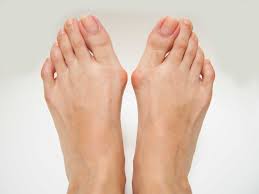
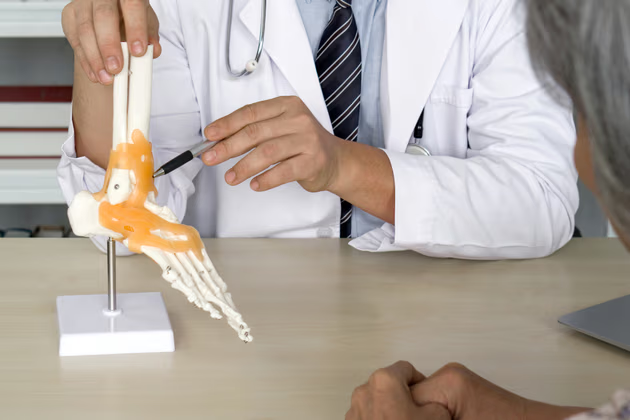
When a toe is permanently bent — a fixed hammer toe (proximal joint bent), claw toe (both small joints bent), or mallet toe (tip bent down) — and rubs in shoes or against neighbouring toes, the definitive correction is to remove a small amount of bone from the affected joint and fuse it straight. The joint stops moving, the toe is straight, and most patients find shoes immediately more comfortable. The two main fixation options are a temporary K-wire (passed through the toe, sticking out the end for 4–6 weeks, then removed in clinic) or an internal implant (a small permanent device that stays inside the bone). Each has trade-offs — K-wires are cheaper, simpler and well-evidenced but require an exposed pin; implants are tidier but cost more and very occasionally need removal if irritating. For fixed crossover toes with dorsal dislocation, the fusion is often combined with a metatarsal-head shortening osteotomy to reduce the load on the joint. Soft-tissue procedures (tendon transfers, capsular releases) are still right for flexible deformities — fusion is for the rigid ones.
AnaestheticRegional
StayDay case

Toes are small, and toe operations are small. The relief, when a toe stops rubbing in every single shoe, is not small at all.

Professor Nima Heidari

When this is right

  • Fixed hammer, claw or mallet toe deformity
  • Failed soft-tissue procedure
  • Crossover toe with chronic dorsal dislocation
  • Painful skin pressure or ulceration over the bent joint
  • Difficulty fitting normal shoes due to a rigid toe

Recovery, step by step

The recovery pathway

Stage 1

Day-case. Post-op shoe.

Stage 2

Stitches out. K-wire or implant may be in for 4–6 weeks depending on technique.

Stage 3

K-wire out (if used). Normal trainers.

Stage 4

Full activity restored. Toe straight, in a normal shoe, no longer rubbing.

Common questions

What patients ask first

How long off work?
Desk work: a few days to a week. Standing work: 4–6 weeks in the post-op shoe.
When can I drive?
Right foot: typically 4–6 weeks once in a normal trainer. Left foot with automatic: within 1–2 weeks.
Will I need physiotherapy?
Not usually formal physiotherapy — the joint is fused so there is no motion to rehabilitate. Most patients only need a short course of self-directed mobilisation.
What if it doesn’t fuse?
Non-union sometimes occurs without the toe being symptomatic — if pain-free and straight, no further surgery is needed. If symptomatic, revision with internal fixation usually settles it.

Considering toe fusion surgery?

Book a consultation — the diary holds while you decide.

Book a Consultation →

Signed off on 30 July 2026