Fractures
Most fractures of the foot and ankle heal cleanly with the right initial management. The ones that don't — missed Lisfrancs, displaced talar neck fractures, complex pilon fractures — cause long-term problems if they're not put right early.
Most fractures of the foot and ankle heal cleanly with the right initial management. The ones that don't — missed Lisfrancs, displaced talar neck fractures, complex pilon fractures — cause long-term problems if they're not put right early.
Foot & Ankle · Professor Nima Heidari
Most fractures of the foot and ankle heal cleanly with the right initial management. The ones that don't — missed Lisfrancs, displaced talar neck fractures, complex pilon fractures — cause long-term problems if they're not put right early.
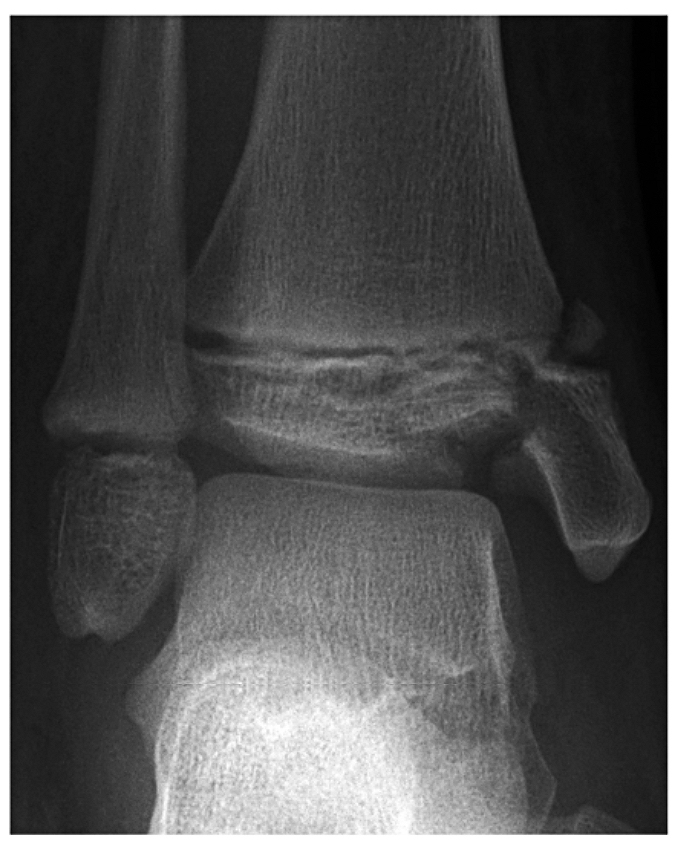
Foot and ankle fractures, or breaks in the bone, come in many different varieties: ankle fracture, heel bone fracture, metatarsal fracture, 5th metatarsal fracture, pilon fracture, Lisfranc fracture and snowboarder’s fracture, to name just a few. Overusing the bones can cause stress fractures and these occur frequently in runners or others pursuing sports involving repetitive strain.
How a fracture is treated depends on which bone is broken, whether the pieces have moved out of position, and whether the joint surface is involved. Many stable fractures heal well in a cast or boot with a period of protected weight-bearing. Others — where the bone is displaced, the joint is disrupted, or the fracture is unstable — are better fixed surgically, restoring the alignment with plates, screws or wires so the bone heals in the right position.
Accurate assessment matters because a fracture that heals out of position, particularly one involving a joint, can lead to stiffness, deformity and early arthritis. Weight-bearing X-rays and, for complex breaks, a CT scan show the full picture and guide the decision.
Recovery is measured in weeks to months depending on the bone and the treatment, followed by rehabilitation to restore movement, strength and confidence. The goal throughout is a foot or ankle that is stable, well-aligned and pain-free for the long term.
The first operation on a fracture is the one that matters most. The next ones are always harder.
Professor Heidari
Clinical approach
Plain x-rays for the obvious; CT for joint involvement, comminution, and pre-operative planning. Subtle Lisfranc injuries and stress fractures often need MRI.
Approach, fixation choice, soft-tissue management and staging are decided before the patient is on the table. Pilon fractures and complex calcaneal fractures are often staged.
Weight-bearing protocol, physiotherapy referral and follow-up imaging are set out at the time of surgery, not after the event.
Treatments considered
The kind of fracture you have will dictate your treatment. A dislocated ankle may need to undergo a realignment procedure (reduction) to avoid issues relating to the supply of blood to the foot, and nerve damage.
The type of fracture you have will determine your treatment. A twisted ankle can, for instance, lead to a minor crack in the bone, however being in a car accident can cause the heel bone to shatter, otherwise known as a comminuted fracture.
Common questions
A consultation is a structured conversation, not a sales pitch. The diary holds while you decide.
Book a Consultation →Signed off on 26 August 2026