Foot Fusion Surgery
All Treatments
Midfoot / Hindfoot · End-stage

Foot Fusion Surgery

Fusion of joints in the foot — the subtalar joint, the midfoot joints, or a combination — for end-stage arthritis or severe deformity that can’t be corrected any other way.

AnaestheticRegional + sedation

Royal College British Orthopaedic AO Trauma Churchill Limb Recon Specialist Reg.
27
Years of practice
94
Publications
3
Sub-specialty areas
3
Central London clinics

Midfoot / Hindfoot · End-stage

Foot Fusion Surgery

Fusion of joints in the foot — the subtalar joint, the midfoot joints, or a combination — for end-stage arthritis or severe deformity that can’t be corrected any other way.

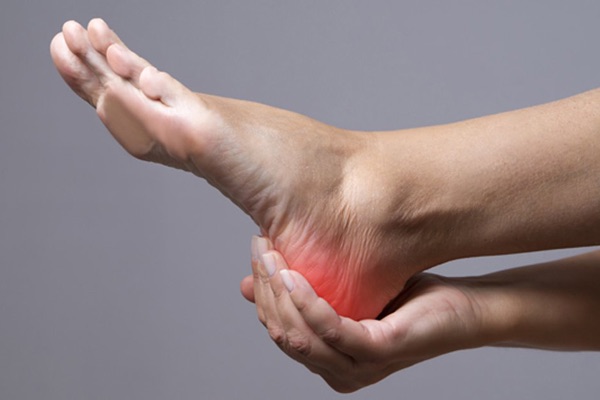
Several joints in the foot can develop end-stage arthritis or a rigid deformity that won’t respond to less-invasive measures. Fusing the affected joint or joints eliminates the painful motion and restores a stable, well-aligned foot. The surgery is tailored to which joints are affected: subtalar fusion for the joint beneath the ankle (commonly post-traumatic after a calcaneal fracture), talo-navicular fusion or calcaneo-cuboid fusion in the hindfoot, midfoot fusion for the Lisfranc and tarsometatarsal joints (often arthritic after high-energy injuries), or a triple fusion when all three hindfoot joints are involved. The work-up is detailed — weight-bearing X-rays, often weight-bearing CT, sometimes diagnostic injections to confirm which joint is generating the pain. Modern fixation (low-profile plates, dedicated compression screws) achieves high union rates when patient selection is right, and most patients walk surprisingly well after a well-done foot fusion has healed.
AnaestheticRegional + sedation

Fusion is the operation patients are most afraid of and most pleased with afterwards. The fear is the loss of motion. The reality, six months later, is the loss of the pain.

Professor Nima Heidari

When this is right

  • End-stage subtalar or midfoot arthritis
  • Rigid flat foot or cavus deformity
  • Charcot reconstruction
  • Failed previous reconstruction
  • Post-traumatic deformity after calcaneal or Lisfranc injury

Recovery, step by step

The recovery pathway

Stage 1

Plaster cast, non-weight-bearing. Overnight stay common.

Stage 2

X-ray check. If healing on track, transition to a boot.

Stage 3

Boot off, normal shoes once X-rays confirm fusion.

Stage 4

Walking and most daily activity restored.

Stage 5

Final review. Long-term durability is excellent for a well-done fusion.

Common questions

What patients ask first

How long off work?
Desk work: 4–6 weeks once mobile. Standing or manual work: 3–6 months with phased return.
When can I drive?
Right foot: typically 10–12 weeks once X-rays confirm fusion. Left foot with automatic: from around six weeks.
Will I need physiotherapy?
Yes — rehabilitation focuses on gait, the joints around the fusion, and on calf and lower-limb reconditioning.
What if it doesn’t fuse?
Non-union does occur, particularly in smokers. Revision surgery with bone graft or biological augmentation is the answer. We discuss the modifiable risk factors before agreeing to the operation.

Considering foot fusion surgery?

Book a consultation — the diary holds while you decide.

Book a Consultation →

Signed off on 30 July 2026