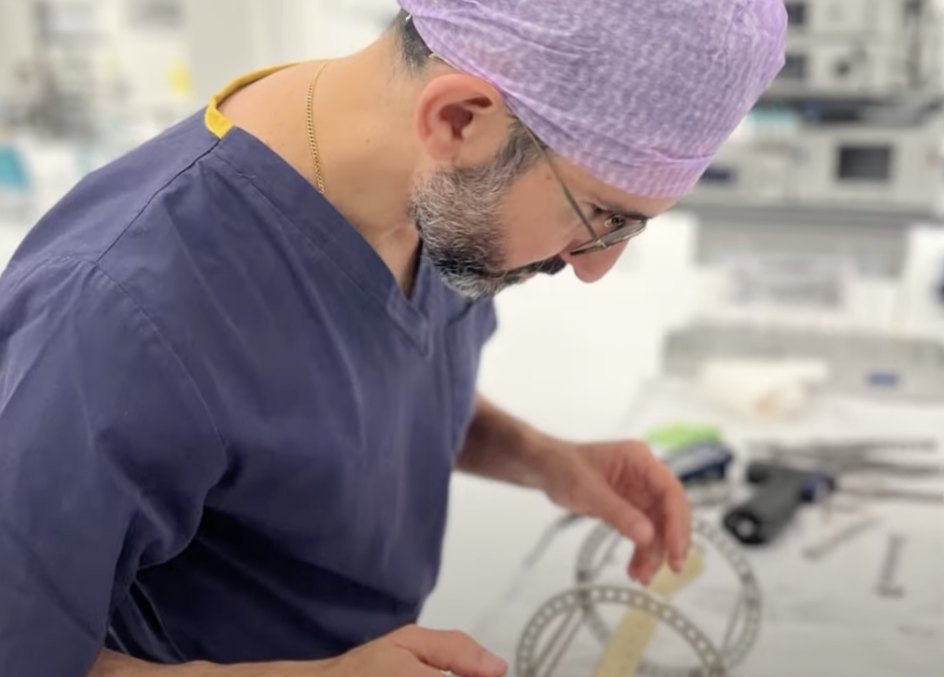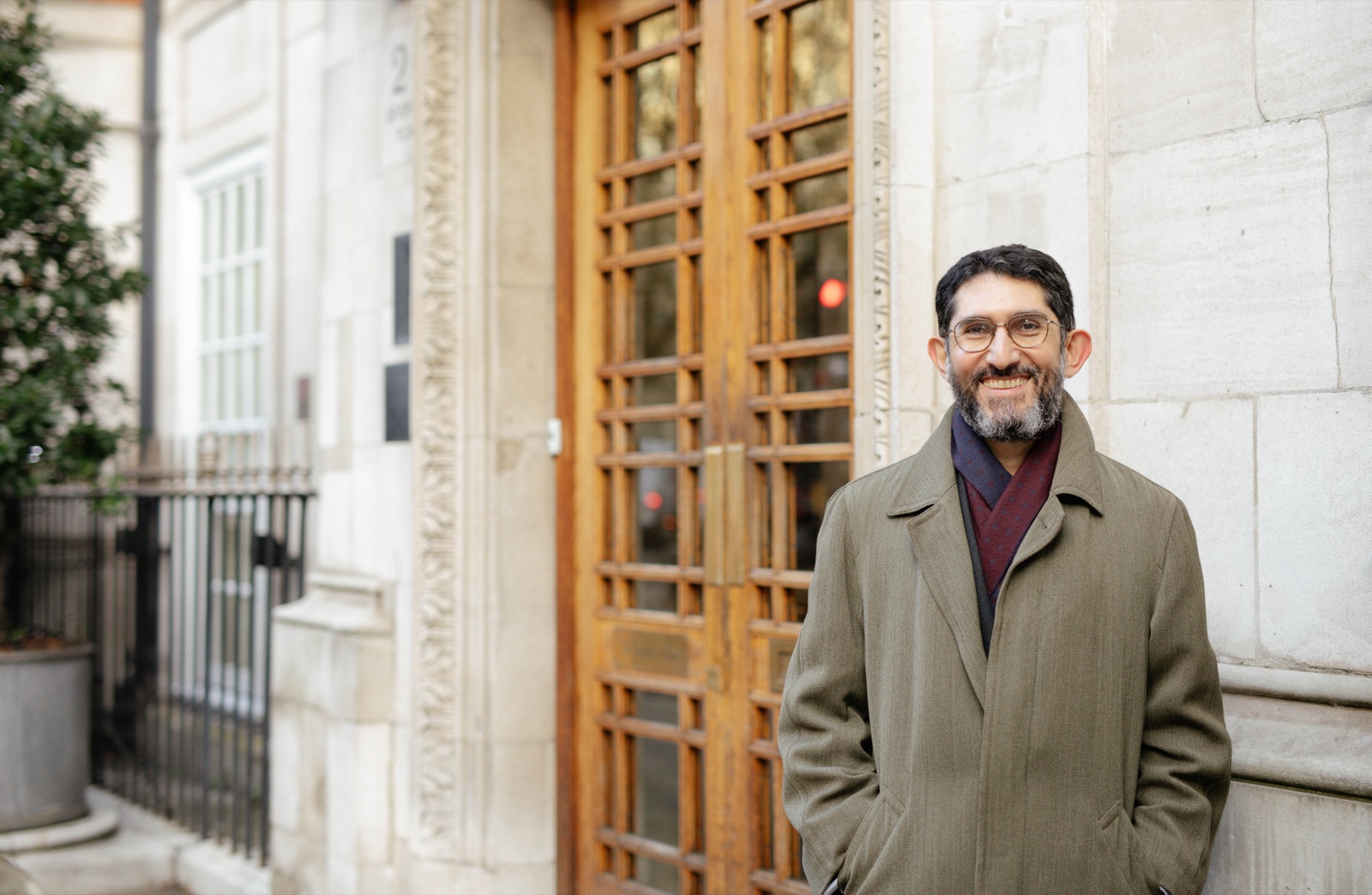




Professor Nima Heidari

Your journey, step by step

Most patients arrive with a knot in their stomach. The point of this page is to untie it — to tell you, honestly and in order, what happens from your first phone call to your first follow-up. No surprises, no jargon, no salesmanship.

Royal College British Orthopaedic AO Trauma Churchill Limb Recon Specialist Reg.
Stage 01 · Working out what’s wrong

Diagnosis

Most patients arrive with a label they’ve been given somewhere else. The first job is to confirm it, sharpen it, or replace it with the correct one. The diagnosis decides everything that follows, so we don’t rush it. Within 48 hours you receive a written diagnostic letter — one for you, one for your GP. Plain English, no hand-wave.

In the room

You talk, we listen

Half the diagnostic information lives in your own description — how the pain started, what makes it worse, what you’ve tried. A long, unhurried history before the foot is even touched.

Examination

The clinical exam

Looking, feeling, watching you walk and move. Sometimes a more detailed gait analysis is needed. The majority of the answers are here — the scans confirm them.

Imaging

Only what answers the question

Targeted imaging where indicated — weight-bearing CT scan or X-rays, dynamic ultrasound, MRI, nuclear scan. Each one chosen to answer a specific question, not as a default. Occasionally diagnostic injections under image guidance are needed to pinpoint the exact source of the pain.

What to bring

Prior imaging & notes

Hard copies of any X-rays and scans performed previously, letters from previous specialists, and a list of your current medication. Expect your entire lower limb to be examined — this usually means removing trousers, socks and shoes. Nicci will email a reminder a few days before.
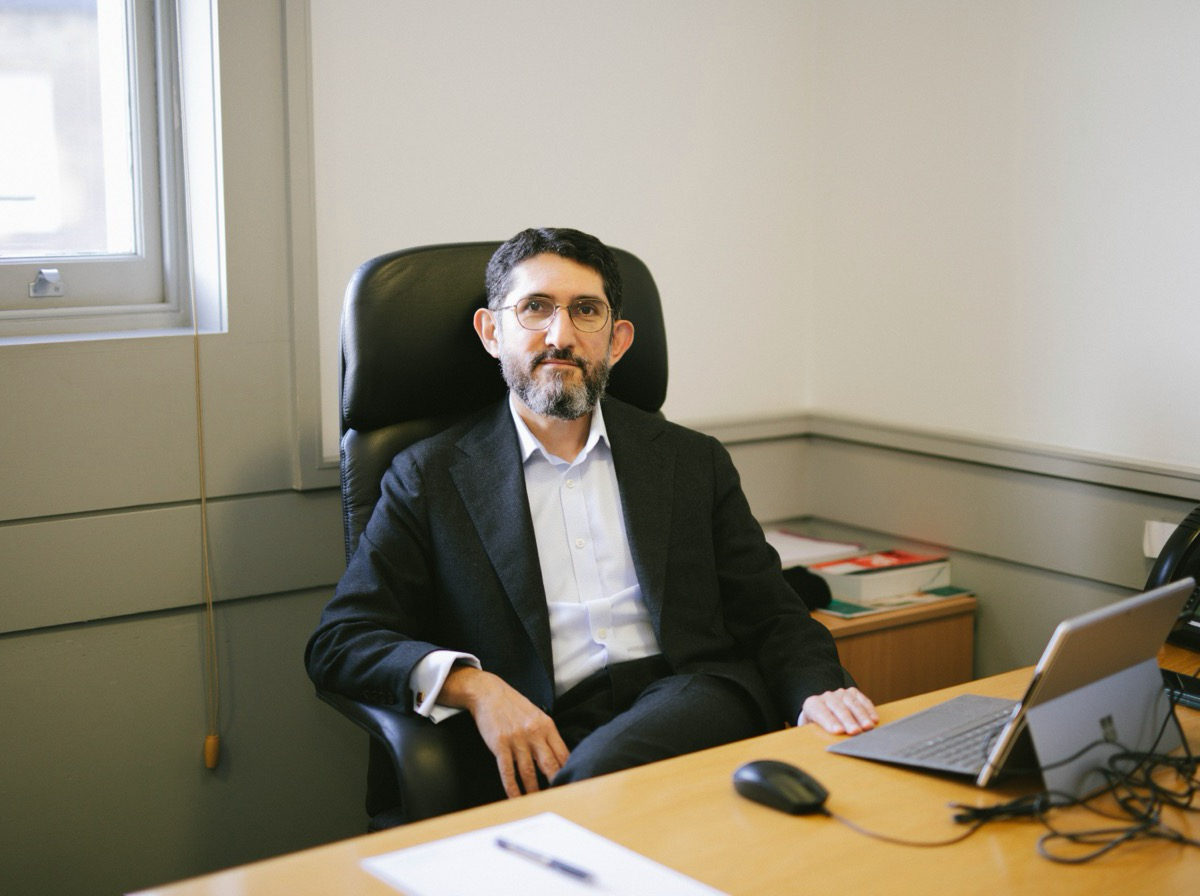
Professor Nima Heidari in his consulting office
In his consulting office

Half the patients I see have already had two opinions. The diagnosis is right about 70% of the time. The other 30% — the answer changes everything that comes next.

Professor Heidari

Stage 02 · Working out what to do about it

The conversation about what to do

Once the diagnosis is firm, the next conversation is about options. There’s almost always more than one path. Surgery is one. So is doing less — sometimes the right answer, even when it’s harder to hear.

All options on the table

Surgical, non-surgical & in between

Conservative care, physiotherapy, injection, minor surgery, major surgery. What each involves, what the published evidence says, what realistic success and failure look like.

Tailored to your life

Not a textbook patient

Time off work, driving, holidays booked, sport, stairs at home, children to look after. Recommendations are framed around the life you actually live.

Numbers, not phrases

Realistic outcomes

The specific success rate for the procedure being considered — and an honest account of the proportion who don’t do well, what they look like, and how we manage it.

No pressure

Time to decide

Most decisions don’t need to happen in the room. Take notes, call back, bring a partner. A second opinion elsewhere is welcome — we’ll help organise it. The diary holds.

Professor Nima Heidari at the clinic
Going through the options, unhurried

The right operation, at the right time, for the right patient. When we get it wrong, we usually get the timing wrong, not the operation.

Professor Heidari
An honest one

Sometimes the answer is — not surgery

A meaningful proportion of the patients we see don’t end up needing an operation. They need a better-fitting shoe, a different injection, a physio referral, or simply time. Saying so has cost us paying patients more than once — we’d rather be right than busy.

Stage 03 · If surgery is the answer

On the day, and what follows

If surgery is right, this is what it looks like. Recovery is planned waypoint by waypoint, written down before the day — the same surgeon and same team all the way through to discharge.

Pre-op preparation

Before the day

Anaesthetic review, medical clearance, medication optimisation. For diabetic patients, glucose control. A practical pre-op call the day before — arrival time, what to wear, what to eat, what to bring.

The day itself

On the day of surgery

Arrive ahead of your slot. A combination of general and regional anaesthetic, so you wake up with the foot already numb. A short procedure for a bunion, longer for complex reconstruction. Most patients home the same day.

Early recovery

Waypoint by waypoint

Dressing change, stitches out, weight-bearing on a written protocol, physio joining the team, and driving returning when the foot is ready. Each waypoint on a personalised plan you take home — not a generic calendar.

Long-term follow-up

Reviews & discharge

Reviews at planned waypoints — early, interim, structural, and an annual check-in. Imaging at the structural review for major reconstructions. A clear discharge point — or, if it hasn’t worked, you stay our patient until it has.

Professor Heidari operating in theatre
Most patients are home the same day

The operation is one moment. The recovery has many. We plan both before you walk into theatre — and update them as you progress.

Professor Heidari

What each waypoint looks like (keyhole bunion correction, as an example)

Each patient’s journey is different. You’ll receive a personalised waypoint plan before the day — not a generic calendar.

On the day of surgery
A short procedure under a combination of general and regional anaesthetic. Home the same day in a protective post-op shoe. Mild discomfort, painkillers prescribed.
Immediately after
Foot up. Strong painkillers as needed. Gentle toe wiggling. No driving, no work yet.
Wound stage
Dressing change, then stitches out. Off the strong painkillers. Desk-based patients often back part-time once the wound is settled.
Out of the protective shoe
Driving returns once the foot is ready (right foot a little later than left). Back into regular shoes with restrictions. Light walking building up.
Back to activity
Returning to normal activities, then impact sport when the bone has remodelled. Imaging at the structural review — discharge if all is well.
Who we look after

The patients who find their way to us

Foot & ankle problems don’t fit one demographic. The four patterns we see most weeks — if any rhymes with your situation, you’re in the right place.

Older adult walking outdoors with a walking stick on a tree-lined path
60+ · Walking again

Active 60+ returning to walking

Arthritis, stiffness, a foot that “isn’t what it was”. The goal is usually to walk a mile without thinking about it.

Read more →
Adult runner tying trainers on a step before a morning run
Sport · Post-injury

Athlete after Achilles or ankle repair

Runners, footballers, weekend hikers. The brief: rebuild the tendon, reload it properly, get back without re-injury.

Read more →
Patient sitting in a clinic having a calm conversation with a clinician
Diabetes · Limb salvage

Diabetic foot — limb saved

Often referred in late, often told amputation is the only route. Joint orthoplastic reconstruction with Mr Pafitanis frequently isn’t.

Read more →
Professional adult in business attire, looking calmly to camera
Working life · Bunion / forefoot

Working adult with a forefoot problem

Bunion, Morton’s neuroma, hallux rigidus. Often years of putting up with it — the question is how to fix it without losing more time off work than the operation needs.

Read more →

Photos shown are stock images representing patient archetypes, not identifiable patients of the practice.

How you pay

Paying for your care

Two routes — private medical insurance, or paying for yourself. Both are straightforward, and Nicci walks you through whichever applies. The point is that you know the number before anything happens.

Route one

If you have private medical insurance

Most major UK insurers are accepted — the practice will confirm yours when you call. The work is mostly done by your insurer; we just need a few things from you.

  1. Have your policy and membership number to hand. Some policies need a GP referral first; others let you self-refer. Check this with your insurer before you ring us.
  2. Call your insurer to open a claim. They review the symptoms and, if cover applies, issue you a pre-authorisation code.
  3. Call the practice with that code. Nicci books your consultation and confirms the rest with the insurer directly — no forms for you to fill in.
  4. If surgery is agreed, we send the proposed treatment to your insurer for approval before any date is fixed. Nothing goes ahead until cover is confirmed in writing.
Route two

If you are paying yourself

Self-funding is straightforward and we keep the pricing transparent at every step. You always see the number before you commit.

  1. Call the practice and tell us what brings you in. We give you a written cost estimate before any consultation or imaging — no surprises on the day.
  2. The consultation fee is settled before the appointment. After the visit, you receive your written diagnostic letter as standard.
  3. If treatment is recommended, you receive a written quote covering the surgeon’s fee, the anaesthetist, theatre time, your hospital stay and follow-ups — with clear, transparent costs for the entire treatment pathway shared with you beforehand.
  4. Surgical fees are usually paid in full before the date. If you’d like to spread the cost, the hospitals we work with offer their own finance options — ask Nicci and we’ll point you to them.

Either route, the practice manager Nicci is your single point of contact — for pre-authorisation chases, written quotes, finance enquiries or anything in between. Call 020 7046 8001 and ask for her by name.

Honest answers

The questions everyone asks

The most common questions patients ask in their first appointment.

How quickly can I be seen, and what does it cost?

First appointments are typically within the same week; urgent cases (open wound, active infection, fracture) are seen the same week, often the same day.

You receive a written cost estimate before any consultation or imaging — and a full written quote before any surgery. No operation goes ahead without one. All major UK insurers accepted (Bupa, AXA, Cigna, Aviva, Vitality, Allianz, Aetna, WPA — full list).

Will I be put to sleep for the operation?

Most foot & ankle surgery uses a combination of general and regional anaesthetic — the foot is numbed at the ankle or knee so you wake with it already numb, and the regional block wears off over the following hours. Recovery is faster and post-op sickness less common. The anaesthetist meets you on the day and the final plan is made together.

How long until I’m walking properly?

Recovery curves vary by operation — your personalised plan walks through your specific waypoints. The shortest pathways have you back in shoes quickly; the longest are months of structured progression. We always write it down before the day, so you know what each stage will look like, not just when.

I’m diabetic / older / overweight. Am I a candidate?

These factors don’t rule surgery out — they shape the planning. Diabetic patients have HbA1c optimised in advance, working with your endocrinologist before we operate. Age alone is rarely the barrier; functional status is. BMI is part of the conversation but we’ve operated above standard cut-offs when the indication is right. If risks outweigh the benefit, we say so.

Can I get a second opinion, or consult on Zoom?

Yes to both. Second opinions are encouraged for any non-urgent decision — we’ll send your imaging and notes free of charge and hold the diary while you decide. Zoom is used for follow-ups and second opinions; the first consultation is in person because half the diagnostic information lives in the clinical exam.

What happens if something goes wrong?

You stay our patient until it’s right — revision surgery, additional imaging, extra physio, onward referrals, whatever’s needed. No “you’re discharged, please go elsewhere.” For revision work specifically, Professor Heidari has a sub-specialty in failed previous fixation, infected previous surgery and post-traumatic deformity, with a steady volume referred in from elsewhere.

Start with a consultation

The first conversation costs nothing more than your time. The diary holds while you think it through.

Book a Consultation →