

Platelet-rich plasma — PRP, the “blood-spinning” injection — has become one of the most fashionable treatments in sports medicine. The theory is appealing: take a little of your own blood, concentrate the platelets and growth factors, inject them into an injury, and let biology do the rest. The trouble is that PRP was adopted across clinics far faster than the evidence to support it arrived.
Testing it properly
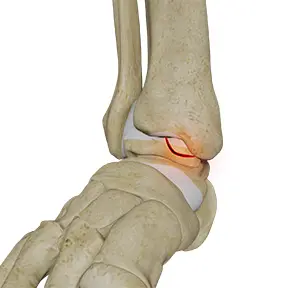
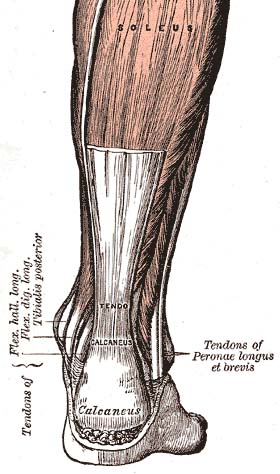
PATH-2 (Platelet-rich plasma in Achilles Tendon Healing) was a large, multi-centre, double-blinded, placebo-controlled randomised trial — the gold standard of clinical evidence — built specifically to find out whether PRP helps acute Achilles ruptures heal better than a dummy injection. Professor Heidari was one of the investigators.
The bravest thing in science
Before a single result was unblinded, the team published its statistical analysis plan — writing down, in advance, exactly how success would be measured (calf-muscle endurance on a heel-rise test) and how the data would be handled. It sounds dry, but it is one of the most honest things researchers can do: it makes it impossible to go fishing for a flattering answer after the fact.
What the trial found
When the results came in, PRP did not significantly improve Achilles tendon healing compared with placebo. That is not a disappointing result — it is a useful one. A treatment that is widely sold, mildly invasive and not free turns out, under rigorous testing, not to add benefit for this injury.
What this means for patients
If you have ruptured your Achilles and someone offers PRP, it is reasonable to ask what the best trial evidence actually shows. For most acute Achilles ruptures, structured rehabilitation — with or without surgery depending on the case — remains the foundation of recovery. Good research sometimes tells us what to do; just as valuably, it tells us what we can safely stop doing.
Source: Schlüssel MM, Keene DJ, Wagland S, Alsousou J, Lamb SE, Willett K, Heidari N, et al. Platelet-rich plasma in Achilles tendon healing 2 (PATH-2) trial: statistical analysis plan for a multicentre, double-blinded, placebo-controlled randomised clinical trial. Trials. Read the full paper →