





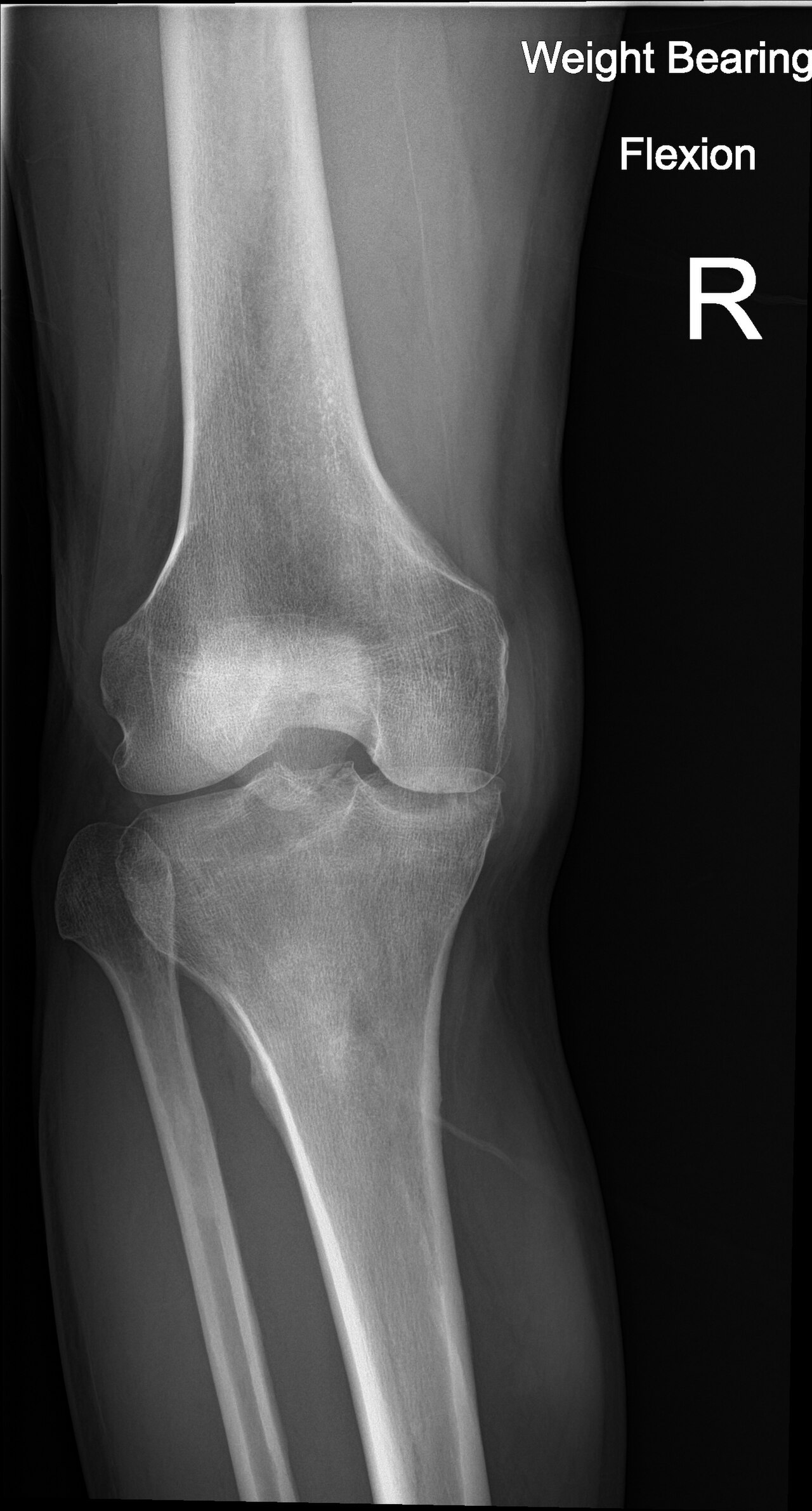
Knee osteoarthritis — the gradual wearing-out of the knee joint — is one of the world’s leading causes of disability. Between painkillers at one end and joint replacement at the other, there is a real appetite for treatments that calm symptoms with less risk and less downtime. One of the more promising is an injection of microfragmented adipose tissue (MFAT) — a preparation made from a small sample of your own fat.
A telling observation
Tracking patients treated with MFAT over two years, Professor Heidari’s team noticed something that averages usually hide: women showed a greater response in pain and function than men to the same treatment. Same injection, same joint, different outcome by sex.
Why that is easy to miss
Most studies report a single average result for everyone. If men and women respond differently, a blended average can quietly understate the benefit for one group and overstate it for the other. The team deliberately analysed the data in a way that did not let that difference get washed out.
What this means for patients
This is personalised medicine in miniature: the right treatment is not just the right procedure, it is the right procedure for you — your joint, your biology, and yes, factors like sex that genuinely change how you respond. It is also an honest reminder that biologic injections are promising rather than proven; observations like this one are how the field works out who benefits most, and why.
Source: Borg TM, Heidari N, Noorani A, Slevin M, Cullen A, Olgiati S, et al. Gender-specific response in pain and function to biologic treatment of knee osteoarthritis: a gender-bias-mitigated, observational, intention-to-treat study at two years. Stem Cells International. Read the full paper →