



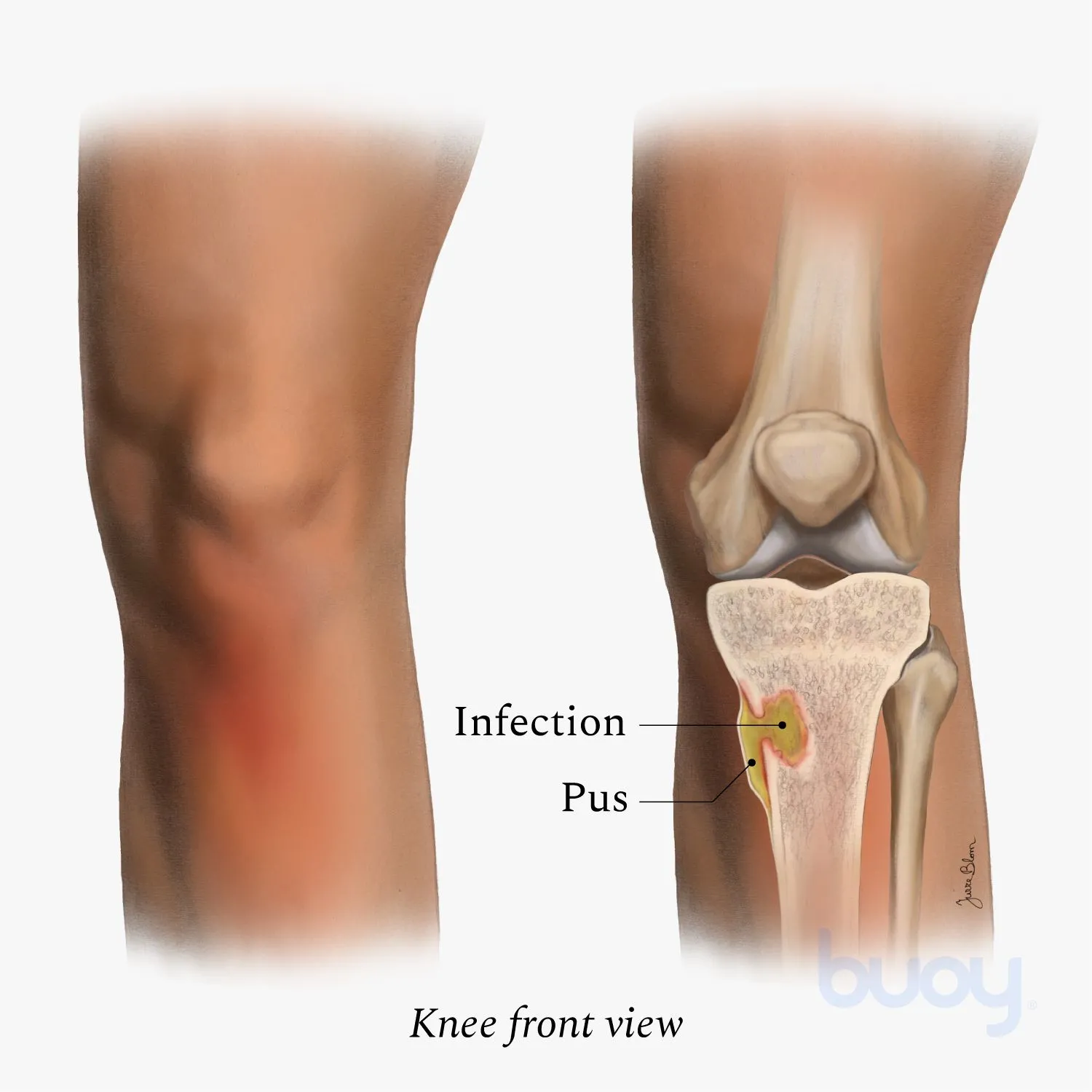
One of the most consequential moments in treating an infected fracture happens in the first few hours after a patient arrives in the emergency department. The lab takes its samples, but it will be 48 to 72 hours before they can tell us exactly which bacterium is driving the infection. In the meantime, we have to start antibiotics. The first dose has to be a reasoned guess based on the bacteria most likely to be involved — what we call empirical treatment.
Why local data matters
Empirical antibiotic guidance written in another country, or a decade ago, may not match the bacteria currently circulating in our local hospital and the kinds of injuries we see. So every few years we audit our own data: which organisms, which species, which antibiotic resistance patterns.
What we did
This paper, on which I was a collaborator, pulled together six years of fracture-related infection data from our major trauma centre — 330 separate infection episodes in 294 patients. We identified every bacterium grown from those infections and asked one question: would our standard first-dose regimen have covered them?
What we found
Three quarters of the infections involved gram-positive bacteria, with Staphylococcus aureus the standout single organism (24%). Pseudomonas was the next most common gram-negative cause. 78 different species were identified in total — a reminder of just how varied these infections can be. But here’s the headline: our local empirical antibiotic regimen would have covered 96% of episodes adequately on first dose. Only a small minority would have needed escalation once the lab results came back.
What this means for patients
The antibiotic you receive in the first hour after arriving with an infected fracture is not arbitrary. It is calibrated to your local bacterial environment. That is why audits like this one matter — they keep our empirical guidance honest.
Source: Patel KH, Gill LI, Tissingh EK, et al.; Heidari N (collaborator). Microbiological Profile of Fracture Related Infection at a UK Major Trauma Centre Antibiotics 2023. PMID: 37760655. Read the full paper on PubMed →