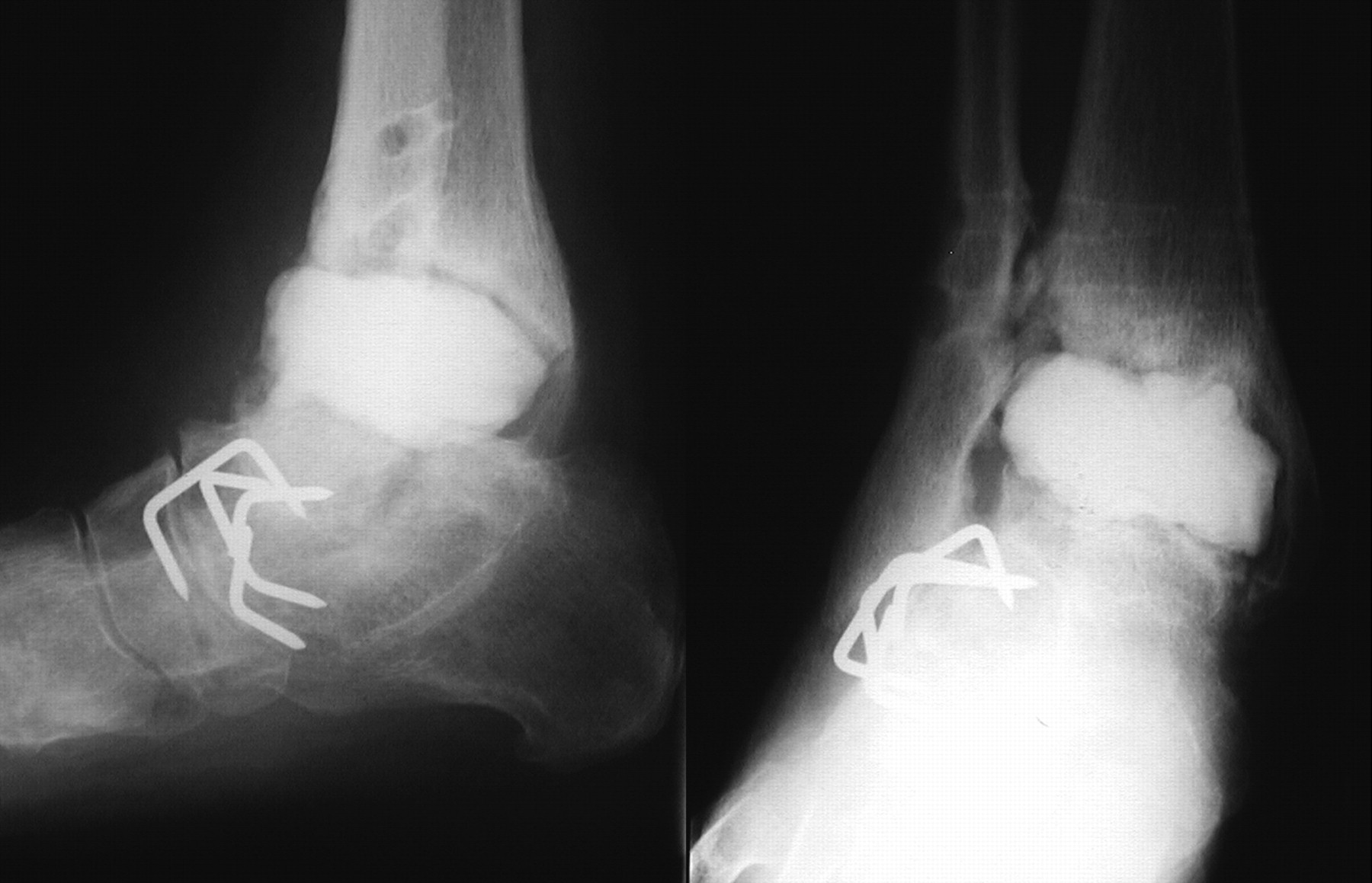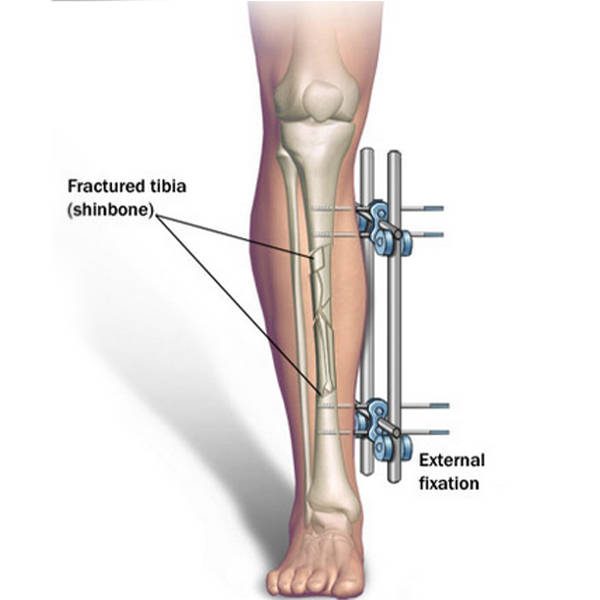





Fracture-related infection — an infection that develops around a fracture, usually around the metalwork that holds the bone together — is one of the most challenging complications in orthopaedics. It can derail a recovery for months, sometimes years, and in the worst cases threatens the limb itself. For patients caught in it, the experience is bewildering, because surgical practice in different hospitals can look very different.
Why a current-concepts paper
Until recently there was no single agreed framework for managing fracture-related infection. Different surgeons made different decisions about timing of debridement, choice of antibiotic, when (and how) to reconstruct. With my co-authors I helped write a 2021 review pulling together the modern evidence into a clear, stepwise framework for clinicians.
The framework, in plain English
The framework has three legs: prevention, diagnosis, and treatment. Prevention starts before surgery: thorough skin preparation, optimal theatre conditions, and choice of metalwork. Diagnosis is never based on one piece of evidence — it requires combining clinical signs, blood inflammatory markers, imaging, and tissue sampling. Treatment is staged: the first job is source control (cleaning out the infected tissue), then targeted antibiotics based on bacterial culture, then reconstruction once the field is clean. In selected cases all this can happen at a single operation.
What this means for patients
If you are dealing with an infected fracture, you should expect a structured pathway. Ask your surgeon what stage of the framework you are at. Each step has a purpose — debridement to control the infection, biopsy to identify the organism, antibiotic to suppress it, reconstruction to restore the limb — and you should be able to see how today’s decision sets up tomorrow’s. The unstructured approach of the past has, thankfully, been replaced.
Source: Iliadis AD, Shivji F, Debuka E, Trompeter A, Narayan B, Heidari N. Current concepts in the prevention, diagnosis and treatment of fracture-related infection (FRI) European Journal of Orthopaedic Surgery & Traumatology 2021. PMID: 33778904. Read the full paper on PubMed →