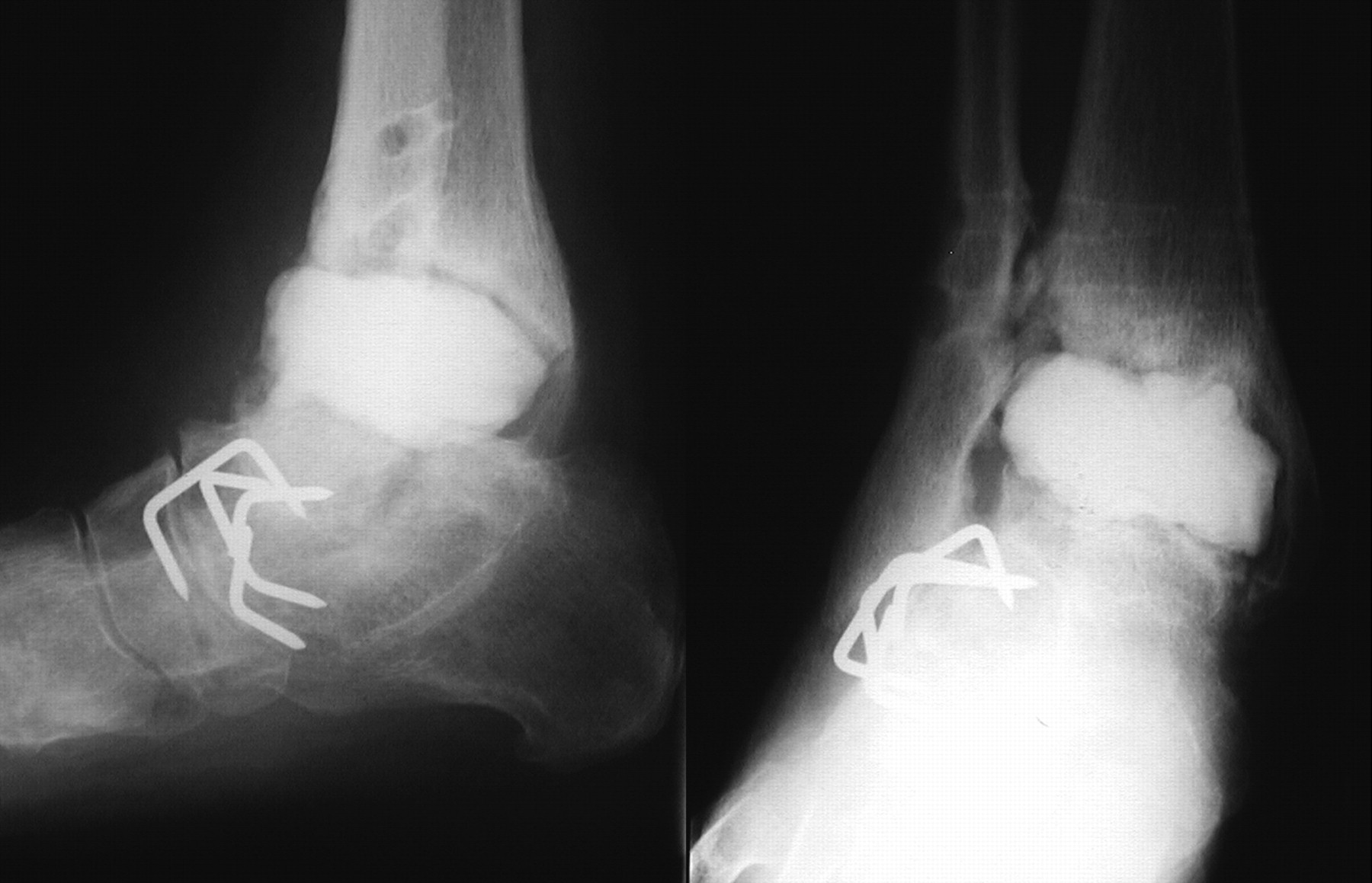





One of the hardest infections to clear in orthopaedic surgery is the one deep inside the central canal of a long bone — the medullary cavity, the marrow space — particularly when there is a metal nail or rod still in there. Intravenous antibiotics, given in even very high doses for many weeks, simply don’t reach the centre of the bone in clinically meaningful concentrations. So the infection persists, the bone won’t heal, and patients can spend months or years bouncing through the system.
The case for local delivery
For many years, the workaround has been to put antibiotic locally — either as cement-loaded beads or as antibiotic-coated implants. These work, but they’re fiddly to deliver into a long, narrow canal, and the cement doesn’t dissolve, meaning it has to be removed later.
What we did
This 2023 paper, on which I was a co-author, describes the use of a new preparation: Stimulan-based bullets, made of calcium sulphate loaded with antibiotic, delivered through a custom mould and introducer designed specifically for the inside of a long bone. The bullets dissolve as the antibiotic is released — no second operation to remove them.
What we found
13 patients across two specialist centres, all with established deep bone infection, all underwent a single-stage operation: removal of the infected metalwork, thorough cleaning of the canal, then placement of the antibiotic bullets. Every patient cleared the infection. Of the six who also had fractures that hadn’t yet healed (a particularly hard combination), all six achieved bony union within an average of 8 months.
What this means for patients
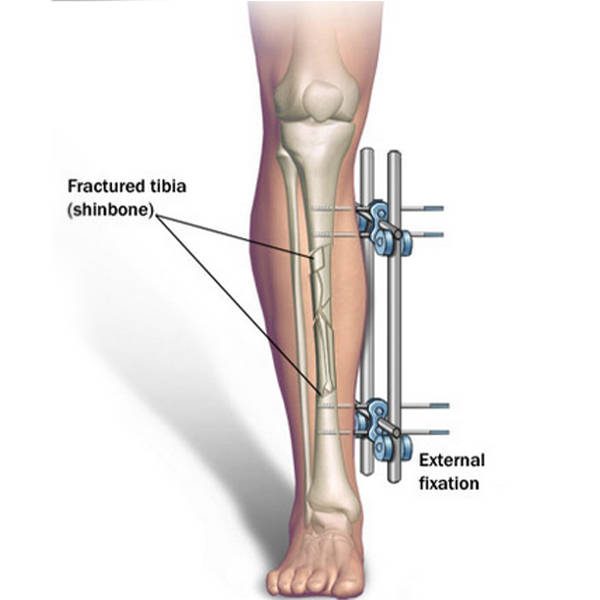
If you’ve been told you have deep bone infection following an internal nail or plate, ask whether single-stage treatment with local antibiotic delivery is an option for you. It avoids long external frames in many cases, and the evidence behind it is now solid.
Source: Patel P, Iliadis AD, Vris A, Heidari N, Trompeter A. Intramedullary application of local antibiotic bullets for the treatment of long bone fracture related infection European Journal of Orthopaedic Surgery & Traumatology 2023;33(2):385–391. PMID: 35024952. Read the full paper on PubMed →