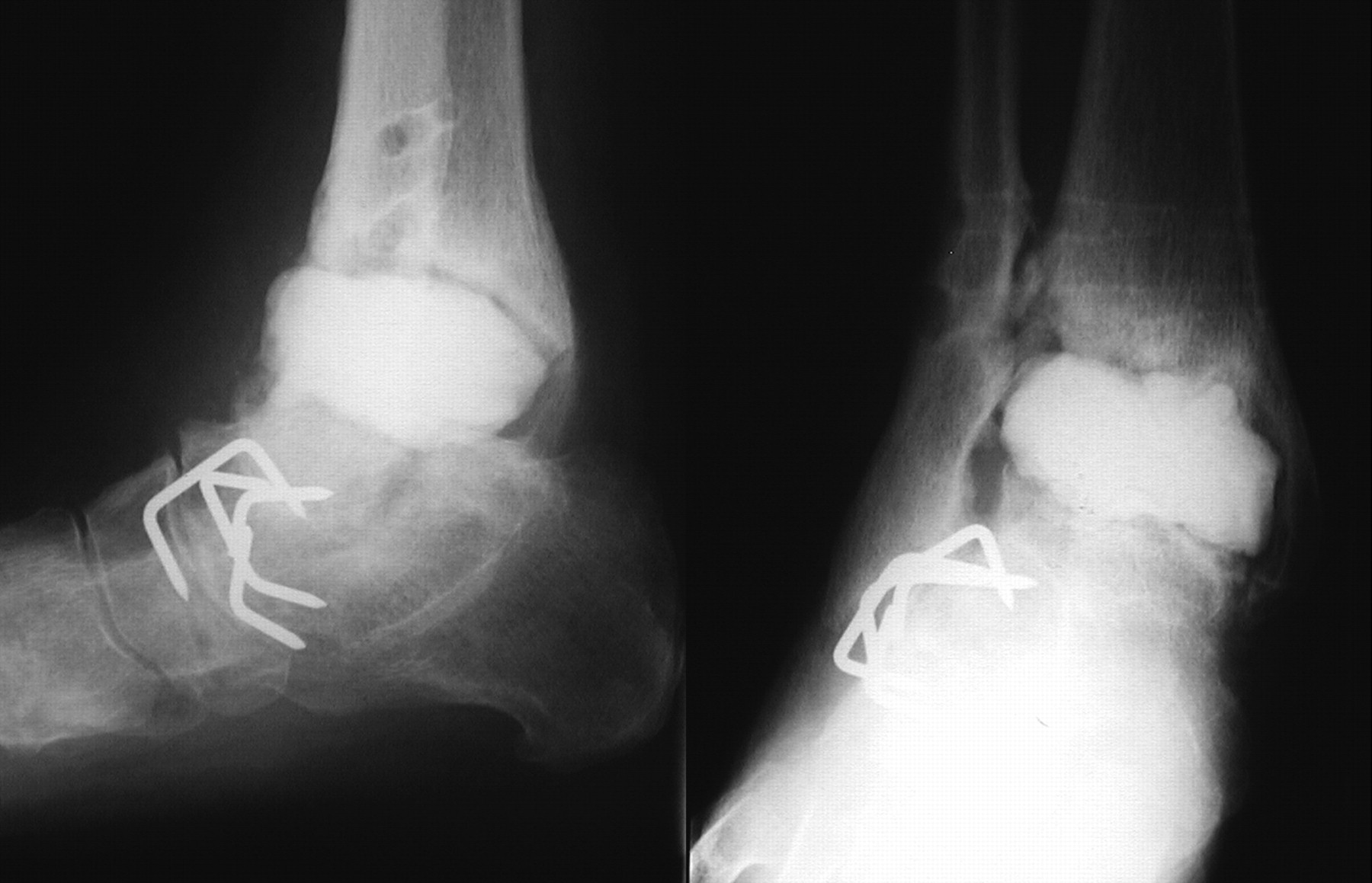






The hot, swollen, red diabetic foot is one of the most consequential clinical pictures in foot and ankle medicine. It can mean either of two completely different things — an acute Charcot collapse or an acute infection — and the treatments are opposite. Get the call right and you save a foot. Get it wrong and you may lose a leg.
Why they look the same
In a patient with diabetic neuropathy, both Charcot and infection produce identical surface signs. Heat, swelling, redness, no pain (because the nerves don’t register it). On clinical examination alone, even an experienced clinician can be misled.
Charcot is a sterile inflammatory process. The bones of the foot, robbed of normal nerve feedback, fragment under everyday loading. The treatment is offloading — total contact casting, no weight-bearing, immobilisation for months while the bones consolidate. Antibiotics do nothing.
Acute infection is a bacterial process, often arising from a small ulcer or breach. The treatment is antibiotics and prompt surgical debridement of any infected tissue. Casting and offloading without addressing the infection let it spread.
What we concluded
This 2019 consensus paper, on which I was first author, addressed the question that diabetic foot teams everywhere struggle with: what is the best way to tell these two apart? The honest answer is: there is no single test. Reaching the diagnosis safely requires combining at least two of: documented neuropathy, the clinical history (Charcot often presents with sudden swelling after a minor trauma the patient didn’t feel; infection often has an open wound or progressive symptoms), specific imaging findings (MRI patterns can help, though they overlap), and where there is genuine doubt, a bone biopsy with culture.
What this means for patients
If you have diabetes and you develop a hot, swollen, red foot, you need urgent assessment by a specialist familiar with both conditions — ideally within days. Don’t accept a snap diagnosis based on one test or one symptom. The workup should explicitly combine several lines of evidence before a treatment plan is committed to. Done well, the diagnosis is reliable; done quickly and superficially, it is dangerously wrong.
Source: Heidari N, Oh I, Li Y, Vris A, Kwok I, Charalambous A, Rogero R. What Is the Best Method to Differentiate Acute Charcot Foot From Acute Infection? Foot & Ankle International 2019. PMID: 31322932. Read the full paper on PubMed →