



Antiseptic irrigation — flushing the surgical wound with a dilute solution of povidone-iodine or chlorhexidine before closing — is one of those operating-theatre practices that varies enormously between surgeons and between hospitals. Some swear by it. Some never use it. The justification on both sides comes down to inference, because the formal evidence is unexpectedly thin.
The intuitive case
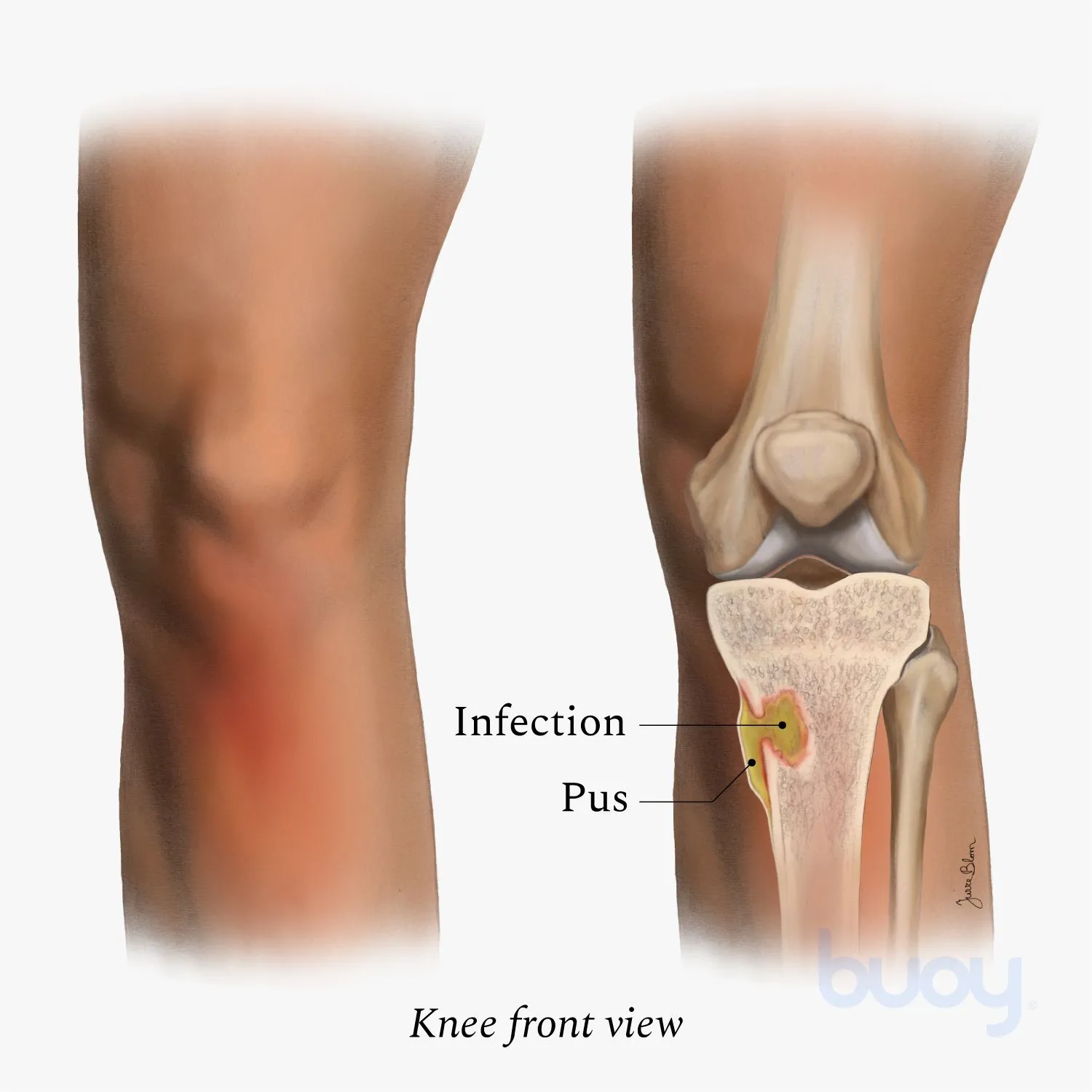
The case for antiseptic irrigation is straightforward. The surgical wound is open during the operation. Bacteria can land in it from the air, the gloves, the instruments, or the patient’s own skin. A brief flush of antiseptic at the end of the procedure should reduce the bacterial load before closure, and therefore reduce the risk of post-operative infection. The biology is plausible.
The counter
The counter-argument is that antiseptics — even dilute — are toxic not just to bacteria but to healing tissue. They can damage the cells doing the repair work, slowing healing and potentially increasing the risk of wound complications. So if antiseptic irrigation reduces bacterial colonisation modestly but compromises the healing tissue, the net effect could go either way.
What we concluded
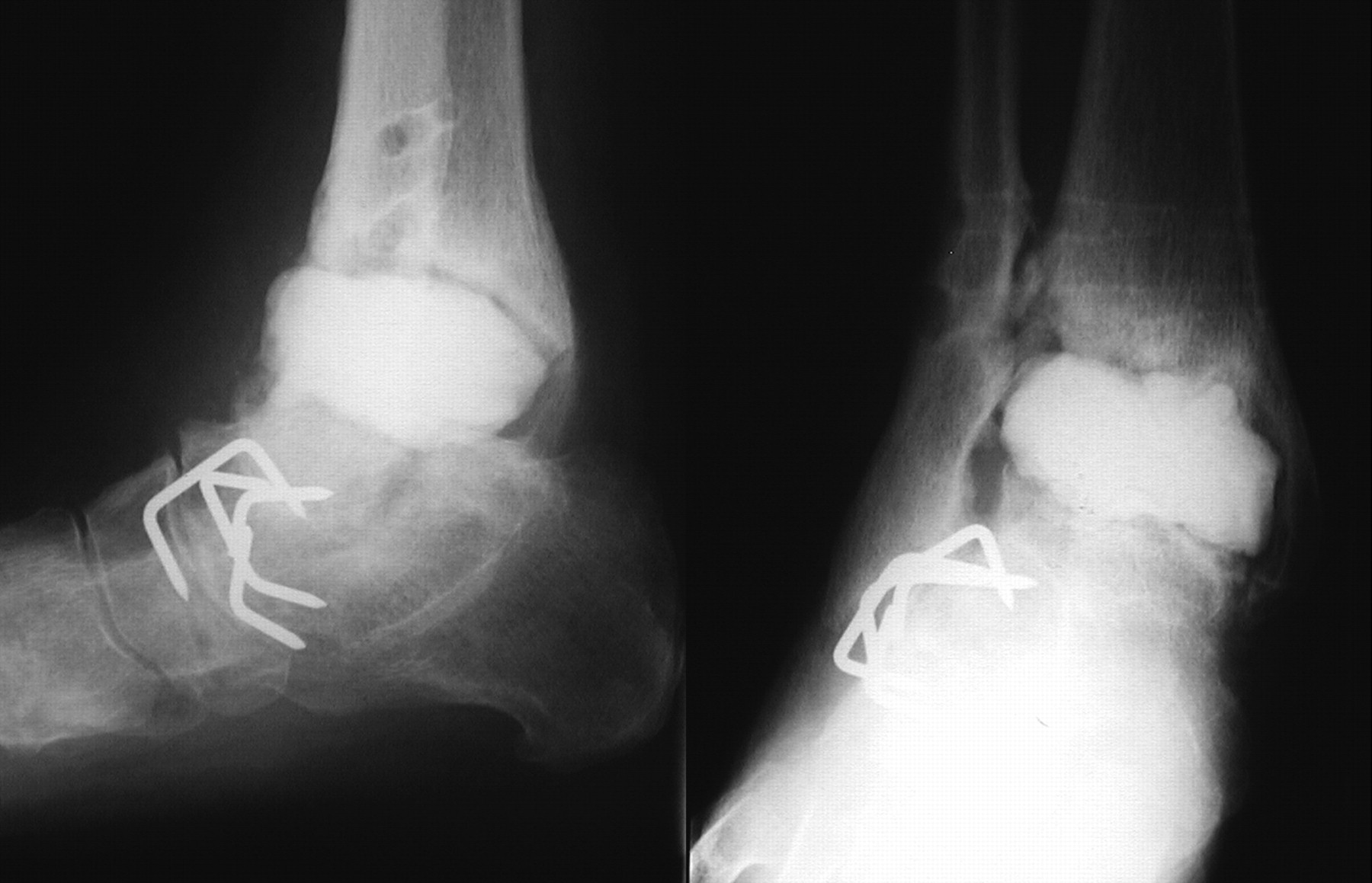
This 2019 consensus paper, on which I was second author, looked specifically at the question for total ankle replacement and other foot/ankle procedures. The honest finding: there is a lack of high-quality evidence to recommend either for or against the use of dilute povidone-iodine irrigation. We reviewed what was published and didn’t find studies of sufficient quality to settle the question. Consensus reached: surgeon discretion, neither practice violates the evidence.
What this means for patients
If you ask why your surgeon does or doesn’t use antiseptic irrigation, the honest answer is that it’s a tradition-of-training and biologic-inference choice, not a trial-supported one. This is one of those areas where genuine equipoise exists and where the field would benefit from a properly powered randomised trial. Until then, neither the presence nor the absence of antiseptic irrigation in your operation tells you anything specific about your infection risk.
Source: Englund K, Heidari N. Is There a Role for the Use of Dilute Povidone-Iodine (Betadine) Irrigation or Other Antiseptic Irrigation Solutions During Total Ankle Arthroplasty (TAA) or Other Foot and Ankle Procedures? Foot & Ankle International 2019. PMID: 31322948. Read the full paper on PubMed →