
Posterior Ankle Impingement
Pain at the back of the ankle when you point your toes — most often impingement. A small extra bone, an enlarged talar process, or scar tissue at the back of the joint pinches between the tibia and the heel.
Pain at the back of the ankle when you point your toes — most often impingement. A small extra bone, an enlarged talar process, or scar tissue at the back of the joint pinches between the tibia and the heel.
Foot & Ankle · Professor Nima Heidari
Pain at the back of the ankle when you point your toes — most often impingement. A small extra bone, an enlarged talar process, or scar tissue at the back of the joint pinches between the tibia and the heel.
Footballers, ballet dancers, gymnasts and fast bowlers (due to the impact on their leading leg), are among those frequently affected by posterior ankle impingement. As the ‘plantar flexion’ movement occurs, the foot and ankle are angled away from the body to their greatest extent, with the ankle compressed. If this extreme motion is repeated too many times or too forcefully, it can result in tissue damage and pain. Pointe work when dancing, kicking a football, running or walking, especially downhill, hopping and jumping, are all examples of activities that may cause this problem.
The problem is often an os trigonum — a small extra bone at the back of the ankle present in some people from birth — or thickened soft tissue, which gets pinched between the heel bone and the shinbone every time the foot points down. The result is a deep, nagging pain at the back of the ankle, worse with pointing the toes, pushing off or going up on tiptoe, and sometimes a little swelling.
Many cases settle with a period of relative rest, activity modification, physiotherapy and, where needed, an image-guided injection to calm the inflammation. This is often enough to get a dancer or athlete comfortably back to full activity.
When symptoms persist despite a fair trial of non-surgical treatment, the offending bone or tissue can be removed — usually through keyhole (arthroscopic) surgery at the back of the ankle, which allows a quick recovery and a reliable return to sport.
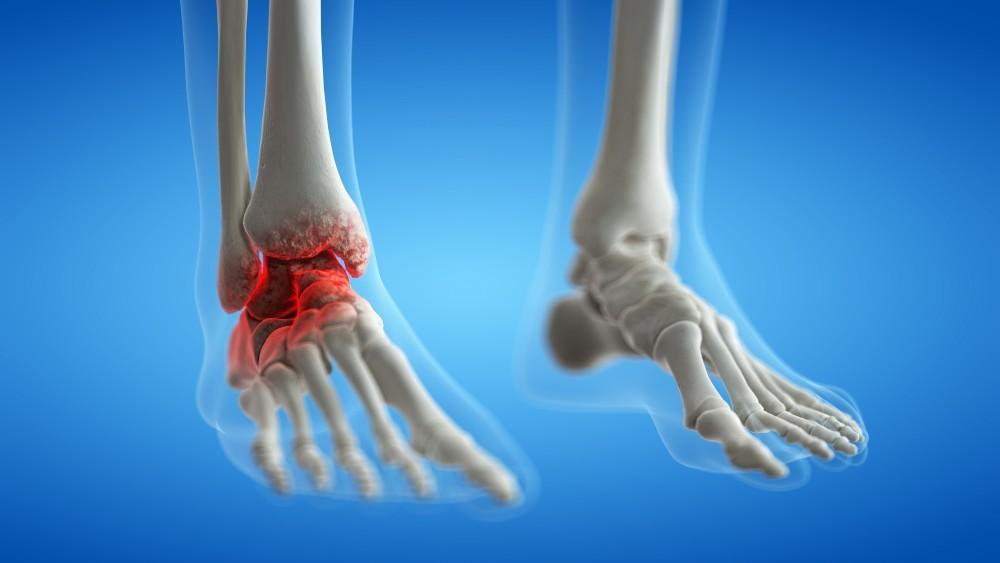
It is the dancer’s and the goalkeeper’s diagnosis — pain at the back of the ankle on the very movement they need most.
Professor Heidari
Clinical approach
A specific posterior impingement test recreates the symptom in clinic and is the strongest single piece of diagnostic information.
X-rays for an os trigonum or Stieda process; MRI for tendinopathy and soft-tissue impingement. A diagnostic injection can confirm the source.
Activity modification and physiotherapy first; posterior arthroscopic decompression for cases that don’t settle. Same-day discharge is the norm.
Treatments considered
Normally, patients with posterior ankle impingement will not require surgery. The regular application of an ice pack, plenty of rest, the use of a compression bandage and lifting the ankle above your heart whenever you can, should be enough to ease the swelling and pain.
Common questions
A consultation is a structured conversation, not a sales pitch. The diary holds while you decide.
Book a Consultation →Signed off on 26 August 2026