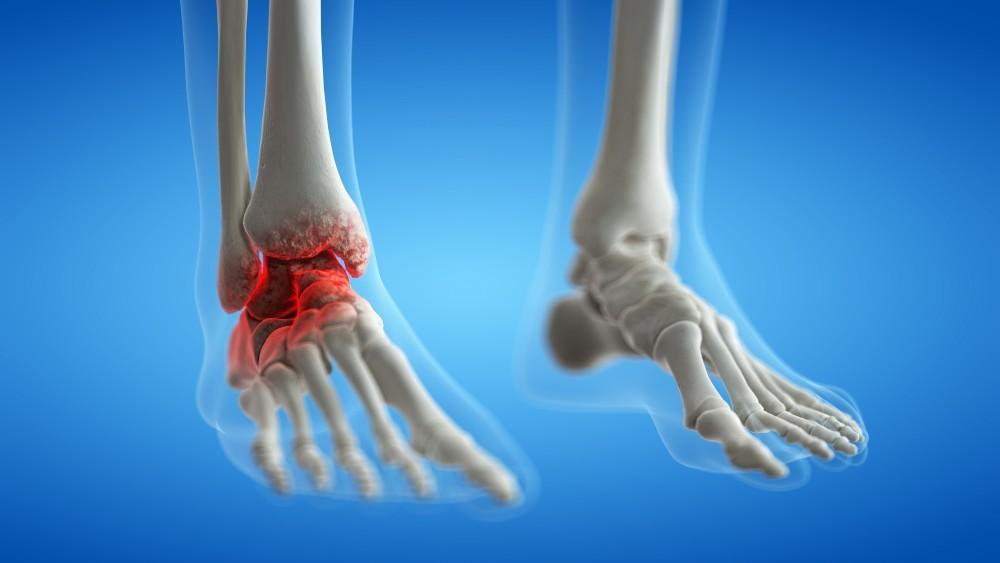





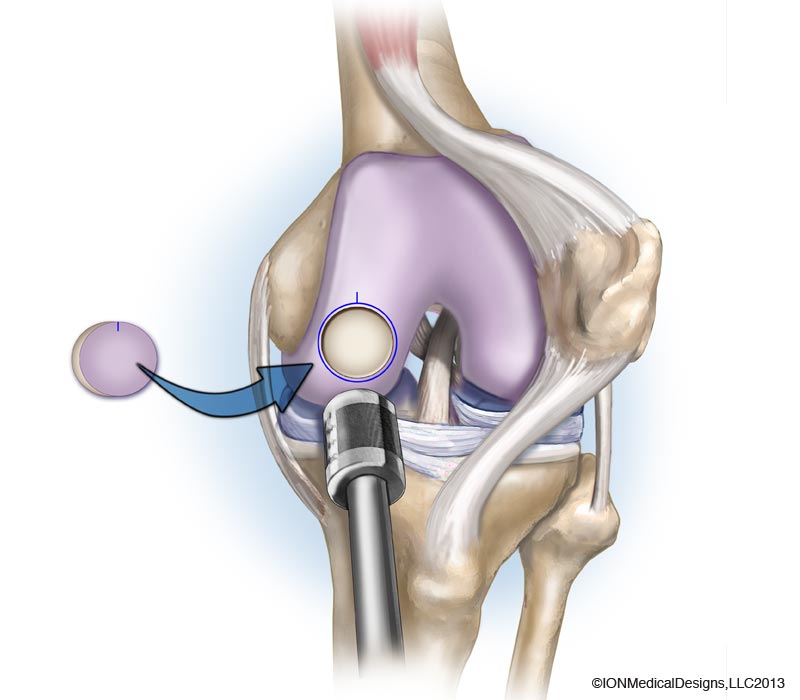
Platelet-rich plasma — concentrated platelets prepared from a small sample of the patient’s own blood — is now offered for an extraordinary range of conditions. Joint osteoarthritis. Tendinopathies. Chronic wounds. Hair loss. Aesthetic skin treatments. The clinical results vary wildly: some patients have dramatic improvements, others none at all. For a long time the assumption was that PRP simply doesn’t work consistently for some indications, and the variation reflected the underlying biology.
What if it’s the preparation?
This 2024 systematic review, on which I was a contributor, started from a different hypothesis: what if the variation isn’t in whether PRP works, but in how the PRP is being prepared? Different clinics use different centrifuges, different speeds, different anticoagulants, different temperature profiles. The result is that “PRP” in one trial may not be the same biological product as “PRP” in another.
What we did
We pooled data from 75 randomised controlled trials covering 5,726 patients across medical and surgical specialties. We didn’t just look at whether PRP worked; we looked at how the PRP was prepared in each trial, and asked whether the preparation variables predicted the clinical outcome.
What we found
Temperature control during preparation correlated strongly with efficacy — correlation coefficient r = 0.79, which is a striking number for a clinical correlation. Other significant variables: centrifuge speed (which determines platelet concentration), anticoagulant choice (some inhibit platelet activation, defeating the purpose), and the final platelet concentration in the product injected.
We proposed the William-Eqram Scoring System for PRP Quality Reporting (WESS-PQR), which gives future trialists a structured way to report exactly what their PRP was. That alone, applied across the field, would dramatically improve the evidence base.
What this means for patients
If you’re offered PRP for any condition, ask about the preparation. What centrifuge? What speed? What anticoagulant? What is the final platelet concentration? If your provider can’t answer, that itself is a useful data point. PRP is potentially valuable, but only when the preparation is done well. The era of “just spin some blood” should, on the basis of this evidence, be ending.
Source: Rahman E, Rao P, Abu-Farsakh HN, et al.; Heidari N (collaborator). Systematic Review of Platelet-Rich Plasma in Medical and Surgical Specialties: Quality, Evaluation, Evidence, and Enforcement Journal of Clinical Medicine 2024. PMID: 39124838. Read the full paper on PubMed →