Cheilectomy (Big Toe Joint Clean-Up)
All Treatments
Forefoot · Joint preservation

Cheilectomy (Big Toe Joint Clean-Up)

For early-to-moderate big-toe arthritis (hallux rigidus), cheilectomy removes the bony spurs and frees up joint motion — a joint-preserving alternative to fusion or replacement.

AnaestheticRegional + sedation
StayDay case

Royal College British Orthopaedic AO Trauma Churchill Limb Recon Specialist Reg.
27
Years of practice
94
Publications
3
Sub-specialty areas
3
Central London clinics

Forefoot · Joint preservation

Cheilectomy (Big Toe Joint Clean-Up)

For early-to-moderate big-toe arthritis (hallux rigidus), cheilectomy removes the bony spurs and frees up joint motion — a joint-preserving alternative to fusion or replacement.

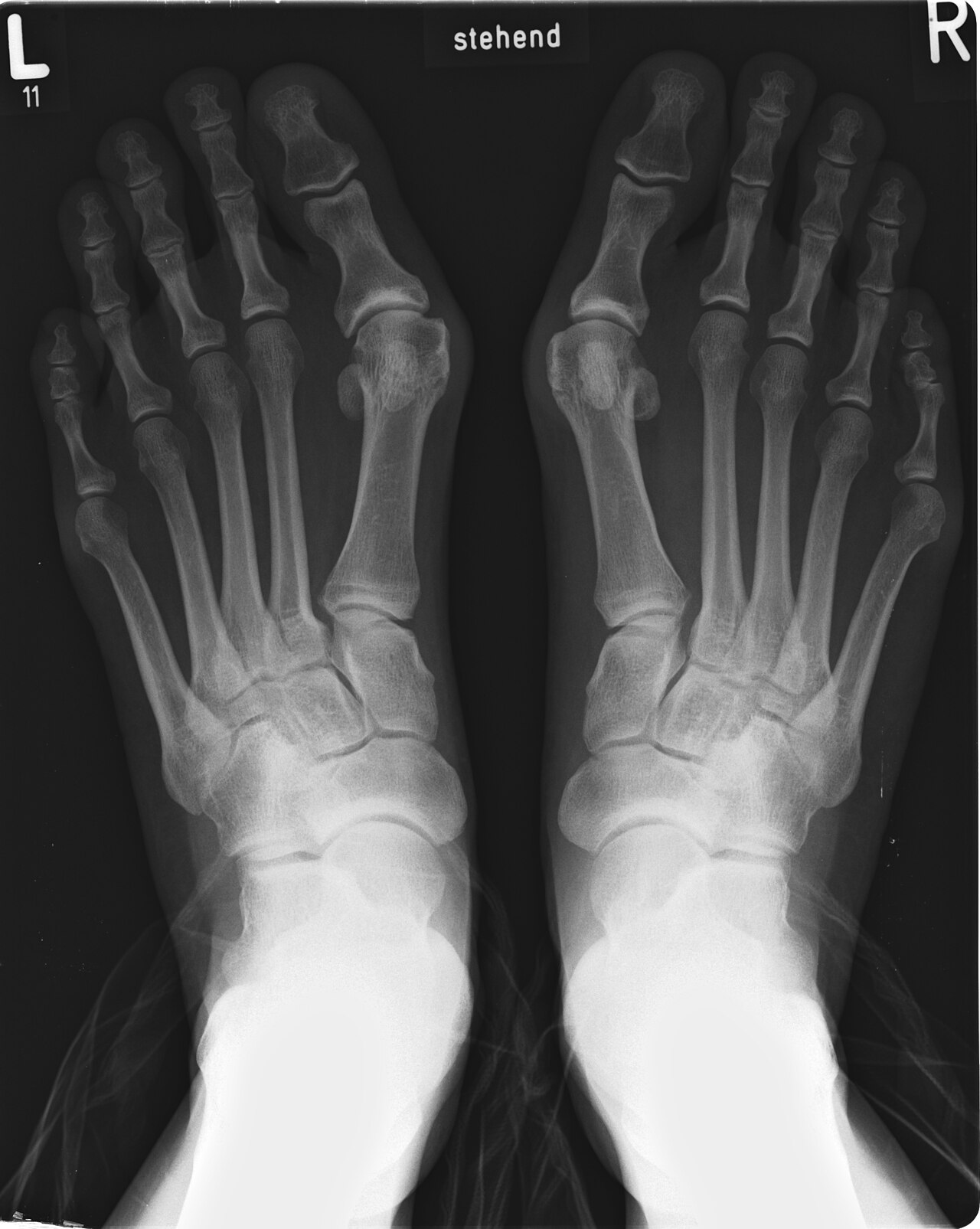
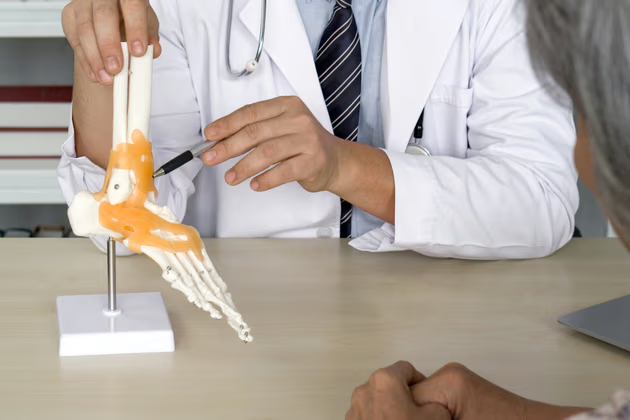
Cheilectomy literally means ‘removal of a lip’ — the bony lip or spur that forms on top of the big-toe joint as arthritis develops. As the spur enlarges, the joint catches against it on push-off and the surrounding soft tissues are pinched. Removing the spur restores motion and decompresses the joint. The operation is right for the early to moderate phase of the disease, when the underlying cartilage is still in reasonable condition over most of the joint surface. It is not a permanent fix — the underlying arthritis will continue to progress — but most patients get many years of meaningful pain relief and motion. Importantly, cheilectomy leaves all later options on the table: if the joint eventually progresses to end-stage disease, fusion remains entirely possible. The choice between cheilectomy and big-toe fusion is one of the most case-specific in foot surgery, and it depends on the X-ray grade, the patient’s age, activity level, and what they need the foot to do.
AnaestheticRegional + sedation
StayDay case
Cheilectomy is the bridge operation — it buys time, motion, and pain relief without burning the option of fusion later if the joint ever needs it.

Professor Nima Heidari

When this is right

  • Hallux rigidus Grade I or II
  • Pain on push-off or on dorsiflexion of the big toe
  • Wishing to avoid fusion at this stage
  • Active patient who needs joint motion preserved
  • Good cartilage remaining on the bottom half of the joint

Recovery, step by step

The recovery pathway

Stage 1

Day-case under regional. Post-op shoe.

Stage 2

Stitches out. Walking on the heel only in the post-op shoe.

Stage 3

Out of post-op shoe; normal trainers as comfort allows.

Stage 4

Light running and gym.

Stage 5

Full activity restored.

Common questions

What patients ask first

How long off work?
Desk work: a few days to a week. Standing work: 3–6 weeks with a phased return.
When can I drive?
Right foot: typically 3–4 weeks once in a normal trainer. Left foot with automatic: within a week for most patients.
Will I need physiotherapy?
A short course is usually helpful — early big-toe mobilisation maintains the motion the operation has restored.
What if it doesn’t work?
If symptoms recur or the joint progresses to end-stage disease, fusion remains entirely possible — cheilectomy doesn’t close that door. A small number of patients also benefit from a steroid injection at follow-up.

Considering cheilectomy (big toe joint clean-up)?

Book a consultation — the diary holds while you decide.

Book a Consultation →

Signed off on 30 July 2026