Big Toe Joint Fusion Surgery
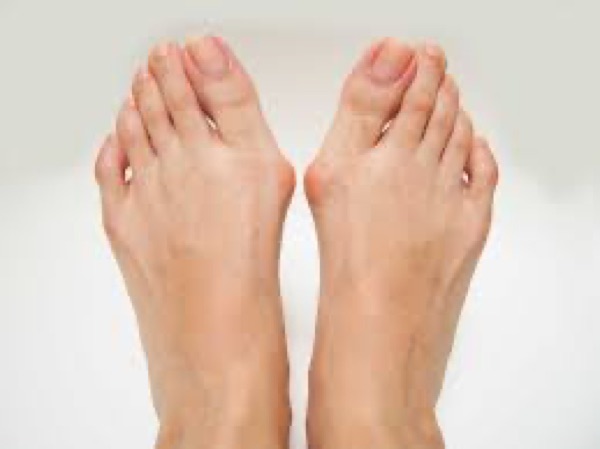
For end-stage arthritis of the big toe joint (hallux rigidus), where the joint is too worn for cheilectomy or joint preservation. Fusion is the most reliable, durable answer.
Forefoot · End-stage
For end-stage arthritis of the big toe joint (hallux rigidus), where the joint is too worn for cheilectomy or joint preservation. Fusion is the most reliable, durable answer.
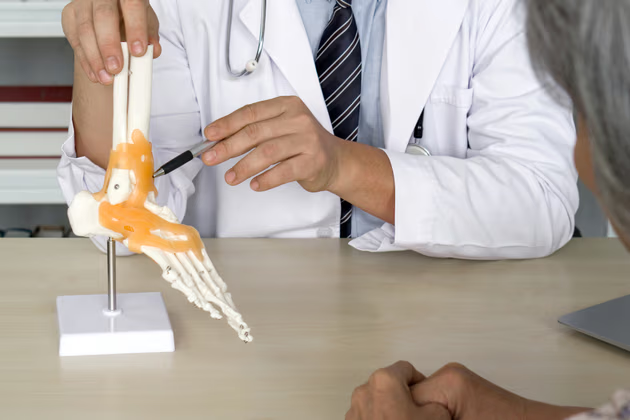
The big-toe metatarsophalangeal joint (1st MTPJ) takes huge loads at every step. When the cartilage has worn out — the end-stage of hallux rigidus — every push-off hurts, and the joint stiffens and swells. A big-toe fusion (1st MTPJ arthrodesis) joins the bones either side of the joint into a single solid block. This eliminates the painful motion and restores a stable, well-aligned forefoot for push-off. Most patients walk noticeably better after a fusion than they did before, because the painful joint is no longer the limiting factor. The operation is well evidenced and durable — fusion has been performed for the big toe for over a century and remains the gold standard for end-stage disease. Modern fixation (plate and screws or compression screws) achieves predictable union rates in the high nineties when patient selection is right.
Recovery centres on protecting the fusion while the bones knit. Most patients spend the first few weeks in a stiff-soled shoe or boot, with a graduated return to normal footwear as the bone heals. Once united, the toe is permanently solid — comfortable in most shoes, though very high heels are no longer practical.

A fused big toe sounds like a loss until you watch a patient walk on it. Most people are surprised at how much better the foot works without the painful joint in it.
Professor Nima Heidari
Recovery, step by step
Day-case under regional. Post-op shoe. Walking on the heel.
Stitches out. Continue post-op shoe.
X-ray check. Transition to a stiff-soled shoe.
Out of post-op shoe; normal trainers.
Full return to most activities; most sport possible.
Common questions