Ankle Joint Preservation Surgery
All Treatments
Joint · Cartilage

Ankle Joint Preservation Surgery

Surgery to preserve the patient’s own ankle joint — realignment osteotomy, cartilage transplantation, or joint distraction — when the cartilage isn’t beyond saving and the patient is the right age and stage.

AnaestheticRegional + sedation

Royal College British Orthopaedic AO Trauma Churchill Limb Recon Specialist Reg.
27
Years of practice
94
Publications
3
Sub-specialty areas
3
Central London clinics

Joint · Cartilage

Ankle Joint Preservation Surgery

Surgery to preserve the patient’s own ankle joint — realignment osteotomy, cartilage transplantation, or joint distraction — when the cartilage isn’t beyond saving and the patient is the right age and stage.

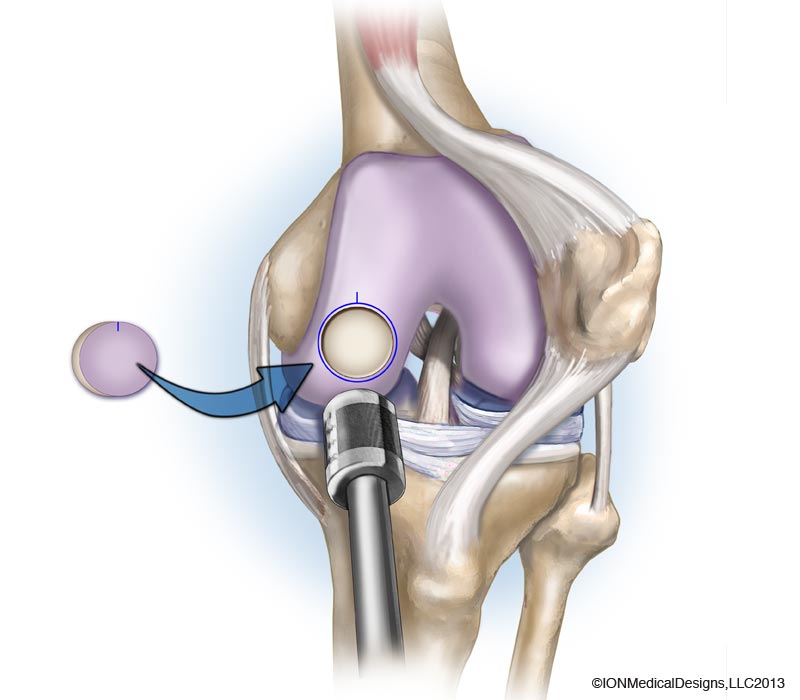
Joint preservation is the alternative to fusion or replacement. The strategy depends on the specific disease: realigning the joint to load it more evenly (a supramalleolar or fibular osteotomy), repairing or replacing the worn cartilage in a focal lesion (microfracture, AMIC, OATS, or MACI), or off-loading the joint temporarily with an external fixator to let inflamed cartilage recover (joint distraction). These are not procedures that suit every patient with ankle pain. They are right for a specific window: younger patients (broadly under fifty), with focal cartilage damage or asymmetric wear, in whom an aggressive operation now might delay or avoid an ankle replacement later. The work-up is therefore careful — weight-bearing CT, MRI, sometimes a diagnostic arthroscopy — and the conversation is honest. Preservation surgery is more demanding than its end-stage alternatives, recovery is longer, and outcomes are good in well-selected patients rather than universally excellent.
AnaestheticRegional + sedation

The ankle a patient is born with is almost always the ankle that will serve them best in their seventies. The point of preservation surgery is to keep it working as long as possible.

Professor Nima Heidari

When this is right

  • Younger patient (broadly under 50) with focal cartilage damage
  • Asymmetric ankle wear from prior fracture or instability
  • Failed conservative measures over an honest trial
  • Good range of motion preserved
  • Wishing to avoid fusion or replacement at this stage

Recovery, step by step

The recovery pathway

Stage 1

Day-case or overnight stay, depending on the specific procedure.

Stage 2

Limited weight-bearing in a boot during cartilage healing.

Stage 3

Imaging review. Progressive weight-bearing and physiotherapy.

Stage 4

Most patients walking without restriction.

Stage 5

Return to sport gradually; long-term durability monitored at annual reviews.

Common questions

What patients ask first

How long off work?
Desk work: 2–6 weeks depending on the specific procedure. Standing or manual work: 3–6 months, with a phased return.
When can I drive?
Right leg: typically 8–12 weeks. Left leg with automatic: from around 4–6 weeks once you can wear a normal shoe.
Will I need physiotherapy?
Always — preservation surgery depends on rehabilitation as much as it depends on the operation. Sessions usually start once cartilage or bone healing is established.
What if it doesn’t work?
Preservation surgery is honest about this from the outset. If symptoms recur, the next steps include further injection therapy, regenerative options, or progression to fusion or replacement. Preservation buys time; it doesn’t always buy a lifetime.

Considering ankle joint preservation surgery?

Book a consultation — the diary holds while you decide.

Book a Consultation →

Signed off on 30 July 2026