Comprehensive treatment for every condition
From everyday foot pain to complex lower-limb deformity. Click any condition below for symptoms, diagnosis, non-surgical options, and surgical pathways.
From everyday foot pain to complex lower-limb deformity. Click any condition below for symptoms, diagnosis, non-surgical options, and surgical pathways.
The Achilles is the strongest tendon in the body, and the one that breaks most often during sport. Problems range from chronic tendinopathy (a slow, painful overload) to acute rupture (a sudden snap, often during a push-off). Treatment is highly individual — your age, sport, baseline fitness and how the tendon looks on imaging all matter.
An ankle sprain is the most common musculoskeletal injury — and the most under-treated. About 20% of acute sprains progress to chronic instability: repeated giving way, fear of uneven ground, recurring swelling. Once that pattern is set, surgery to reconstruct the ligaments is usually more effective than continued bracing.
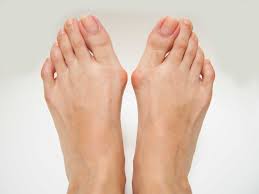
A bunion (hallux valgus) is the bony bump on the inside of the big toe joint. It runs in families, gets worse over time, and causes problems with shoe-fit long before it causes pain. Modern keyhole correction now restores the alignment with smaller scars and faster recovery than open surgery — but only when the deformity is in the right range for the keyhole technique.
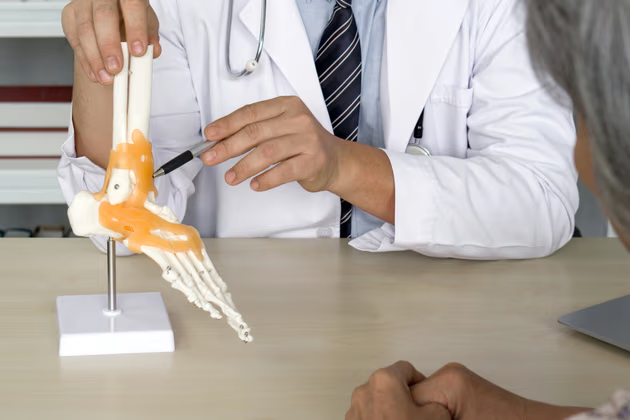
The conditions most patients first present with — pain in the ball of the foot, an aching arch, a stubborn corn or callus, an irritated nerve. None of these need surgery in most cases, but all of them benefit from a proper diagnosis before someone tells you to live with it.
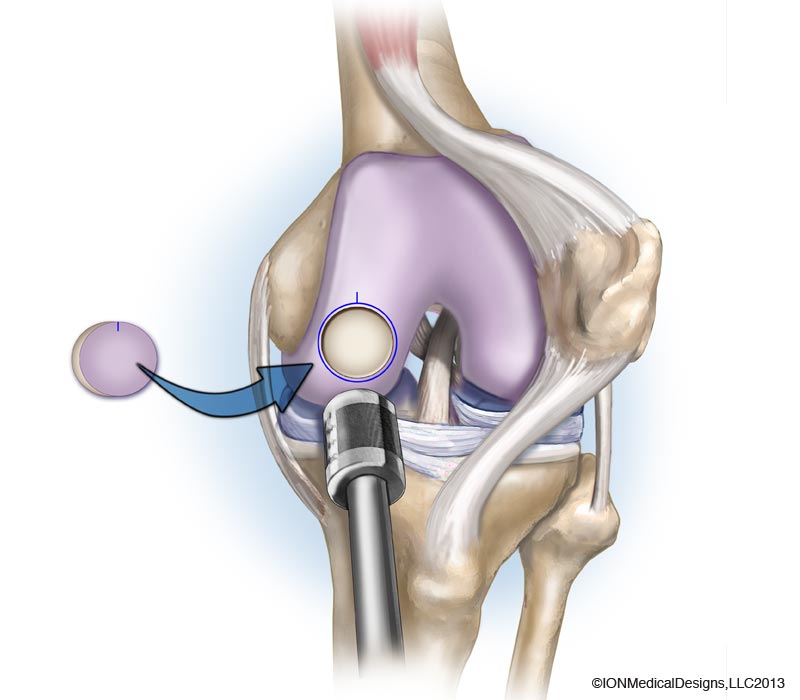
The cartilage that lines a joint wears out over years — sometimes from age, sometimes after an injury, sometimes from inflammatory disease. Once the cartilage has gone, the joint is painful and stiff. The two definitive operations are fusion (joining the bones to stop them moving) and replacement (an artificial joint that preserves motion). Choosing between them is one of the most considered conversations in foot and ankle surgery.
The pattern of injury varies with the sport — runners get stress fractures and Achilles trouble, footballers get ligament injuries and ankle sprains, climbers get talar dome lesions, dancers get posterior impingement. The diagnostic question is always the same: what is the structural injury, and what return-to-sport pathway will get you back without re-injury.
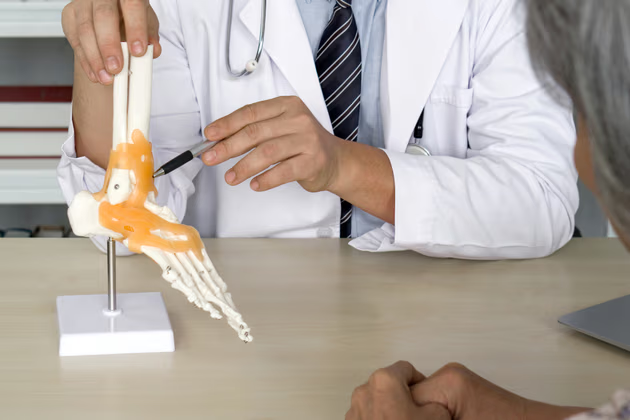
Pain in the foot or toes is one of the trickiest things to diagnose because the patterns overlap. A burning forefoot might be a neuroma, or it might be metatarsalgia, or it might be a stress reaction in a metatarsal head. The history and clinical exam usually narrow it within a few minutes; targeted imaging confirms it.
Most fractures of the foot and ankle heal cleanly with the right initial management. The ones that don’t — missed Lisfrancs, displaced talar neck fractures, complex pilon fractures — cause long-term problems if they’re not put right early. Revision of failed fixation and post-traumatic deformity is a substantial part of the practice.
Heel pain has a small number of common causes and a long tail of unusual ones. Plantar fasciitis is the most frequent diagnosis — classic first-step pain in the morning — but Achilles insertional tendinopathy, calcaneal stress fracture, fat-pad atrophy and Baxter’s nerve entrapment all present similarly. Getting the diagnosis right matters because the treatments diverge.
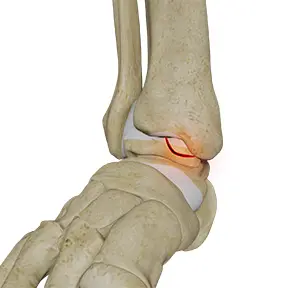
An osteochondral injury is damage to the cartilage and the bone underneath it — most often on the talus, after a significant ankle sprain or twist that didn’t fully heal. Many are missed on the first scan and turn up months later when the joint isn’t settling. Treatment depends on the size, the location and the bone underneath: small lesions usually do well with arthroscopic debridement; larger lesions need more work.
Pain at the back of the ankle on plantar-flexion — the position you go into when pointing your toes — is most often impingement. A small extra bone (os trigonum), an enlarged posterior process of the talus, or scar tissue at the back of the joint pinches between the tibia and the heel bone. It’s especially common in dancers, footballers and goalkeepers. Diagnosis is clinical; treatment is keyhole.
The foot and ankle have several tendons that take a beating — the Achilles at the back, the posterior tibial tendon on the inside, the peroneals on the outside, the FHL deep at the back. When one fails, the foot quietly changes shape (a posterior tibial tendon dysfunction is the classic example). Caught early, most respond to bracing, physiotherapy and a targeted injection. Late presentations need surgical reconstruction.
Hammer toe, claw toe, mallet toe, crossover toe — small deformities of the lesser toes that cause big shoe-fit problems. Flexible deformities can usually be corrected with a soft-tissue procedure; fixed ones need a small bone resection or fusion. The aim is a toe that fits in a normal shoe without rubbing.
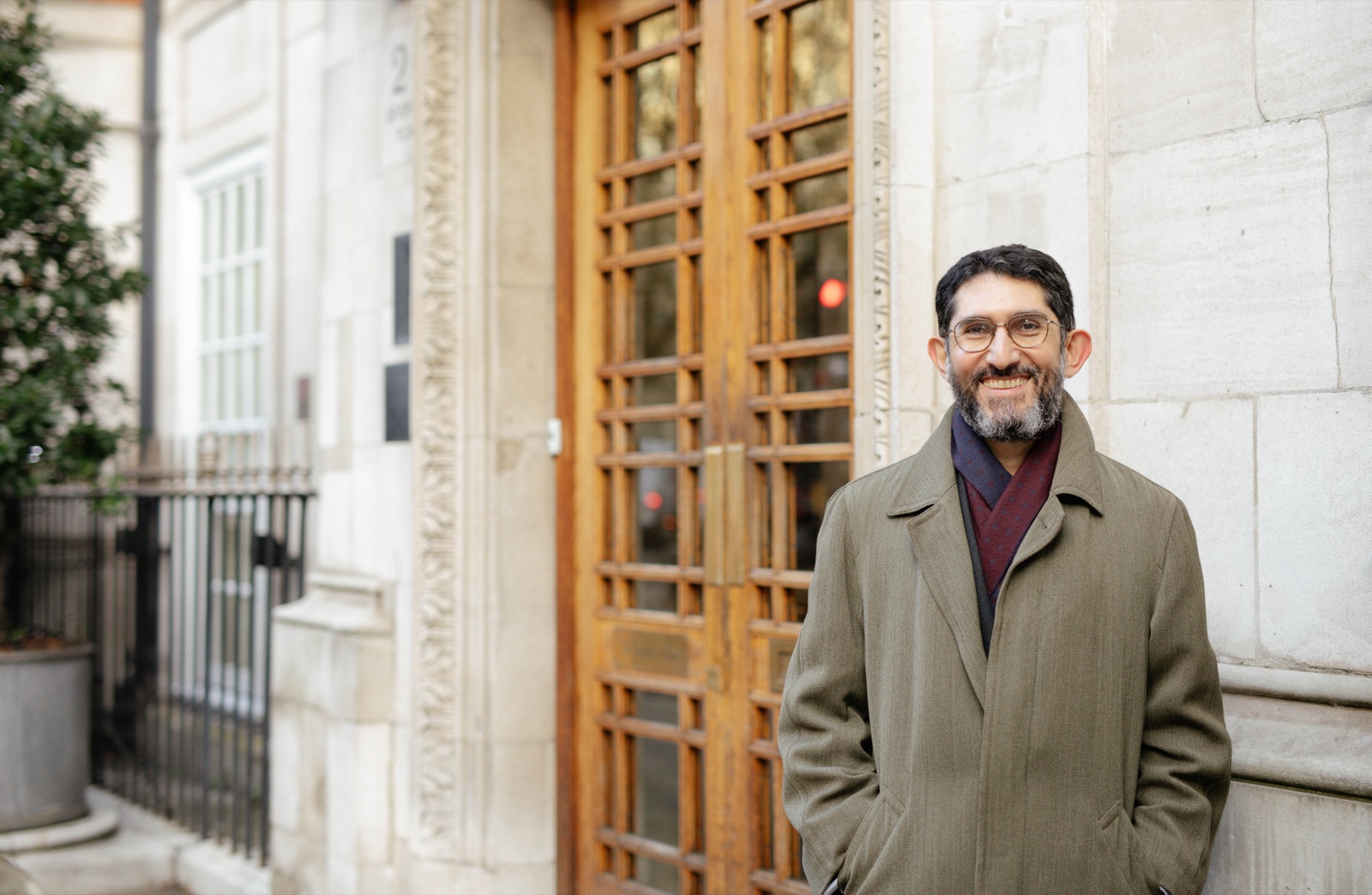
It’s really important to recognise how much you use your feet. If you are unable to bear load on them and unable to walk, it has an enormous impact on your quality of life.Professor Nima Heidari